

 A still from Kottukkaali.
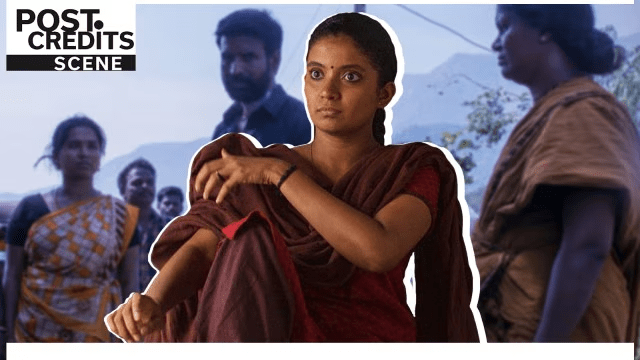
Unlike his more mainstream contemporaries, who are often complicit in the silencing of women through their so-called progressive cinema, director PS Vinothraj attempts to expose the oppression of ancient systems by questioning his own position in them. His decision to restrict the titular ‘Adamant Girl’ of his latest feature, Kottukkaali, to essentially one line of dialogue — a haunting line that stays with you long after the credits have rolled — isn’t so much an act of denial as it is an act of defiance. Played by Anna Ben in the year’s best performance, Meena is the moral compass of Vinothraj’s movie — a symbol of silent resistance, of civil disobedience, of simmering rage.
Kottukkaali is a tremendous second feature for the talented Vinothraj, a poet of the people whose cinema deals with the often fluid duality of freedom and fear. His characters wander, perennially ill-at-ease, across the rural landscapes of Tamil Nadu. But they are all caged in one way or another. At just two films old, Vinothraj already has a fully-formed, and instantly-recognisable aesthetic; Kottukkaali opens with something of a signature move — a long, uncut tracking shot that reveals more about character than reams of dialogue ever could.
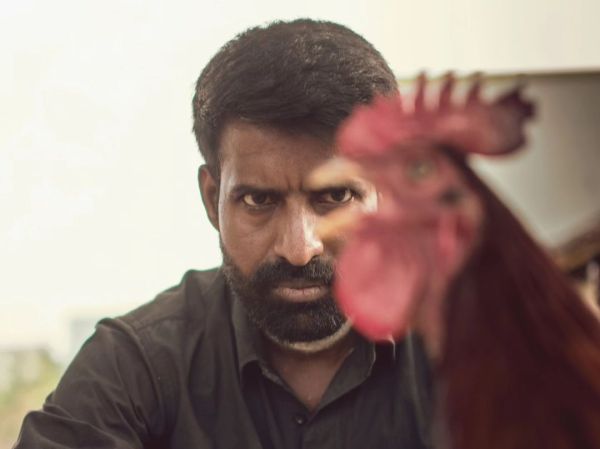 Soori in a still from Kottukkaali.
A middle-aged woman pours buckets of water over her saree-clad body in the earliest whispers of dawn. She isn’t bathing; it’s almost as if she’s cleansing her body of an unspeakable evil. She walks from her home to a nearby shrine, offers prayers, and then trudges back to where she came from; sobbing, shaking, clearly disturbed about something. But we don’t know what. It is not yet time for us to know. We follow the woman back inside her house, where she comes face-to-face with her daughter, the ‘adamant’ Meena, sitting silently, lifelessly, staring at a symbolic rooster chained to a rock.
It will be over an hour into the film’s 110-minute run-time that someone finally spells out what’s happening. But by then, you’d have formed a fairly accurate picture of the near-farcical fable that Vinothraj has set out to tell. Meena has been betrothed to a man named Pandi (Soori), whom she refuses to marry. She was in love with another man, but was forbidden from being with him because he belonged to a different caste. Meena retreated into herself, refusing to speak about, engage with, or acknowledge the injustice being exacted upon her. Pandi’s family decided that she must be possessed. Kottukkaali follows these characters as they embark upon a journey to meet a shaman, who specialises in exorcising women deemed imperfect in the eyes of patriarchy.
But is it Meena who needs an exorcism, or the society that robbed her not only of her agency, but also of her will to live? There is a stench of doom to this whole enterprise, as if we’re witnessing the very final stages of Meena’s resistance. It’s like she’s being ferried to her own grave. But perhaps the most surprising element of Kottukkaali is the wicked humour that Vinothraj laces the meandering narrative with. He can’t help but mock the men and women who have solemnly gathered to escort Meena to an uncle who supposedly has magic powers. Vinothraj understands the absurd horror of the situation, even if he can’t quite grasp why this is happening. Along the way, the convoy — Meena and the other women are symbolically shafted into an auto rickshaw with the sacrificial rooster, while the men ride alongside them on bikes — runs into a series of increasingly ridiculous hurdles, each of them more allegorical than the last.
A police man stops them on the highway, perhaps hungry for a hefty bribe. But the second that he is told the purpose of their journey, he sends them on their way with his best wishes. He actually believes that by not standing an obstacle in a family’s quest to provide care for a young woman, he is being chivalrous. Kottukkaali is all about these little ironies. The group stops for pee breaks, for poop breaks, for period breaks. Vinothraj pointedly cuts to a closeup of a stream of urine splashing on discarded plastic — waste upon waste. When a woman ventures out into the woods to change her pad, there is the briefest hint of a brewing escape plan — she’s weaponising the emblem of her supposed ‘weakness’ to stage her own salvation — but it is quickly revealed to be nothing but false hope. A pipe-dream is reduced to harsh reality.
In one scene, a fly assaults Pandi’s eye, bringing the entire convoy to yet another abrupt halt. As he throws a fit — there is a reason why something as puny as a fly is chosen to be the cause of his discomfort — Vinothraj deploys another of his exaggerated closeups. His sister sticks her tongue out, and proceeds to lick the insides of his eyeball. It’s a powerful image, one that perfectly encapsulates the strange tonal cocktail that Vinothraj is deviously mixing for us. Women are indispensable to the survival of patriarchy. It’s an unfathomable truth, and nothing can perhaps communicate the inherent dichotomy of this idea than the sight of a lady licking her brother’s naked eye in slow-motion.
Another indelicate metaphor emerges in the form of a bull that blocks the convoy’s path and refuses to budge. While the women stay put inside the auto, the men tumble onto the road and posture before the large animal — an emblem of masculinity if there ever was one. It’s a face-off. Ultimately, after deliberating among themselves about how to handle this inconvenience, the men are effectively rescued by a little girl from a neighbouring house. The bull is her pet. In another scene, the men physically lift up the auto to turn it around in a narrow street. Vinothraj cuts between closeups of their faces, twisted beyond recognition, screaming at the top of their lungs as they manhandle the vessel that Meena has attached herself to.

In Koozhangal, the woman’s story unfolded entirely off screen. It dealt with the aftermath of events that would normally form the plot of a regular film. We (literally) followed the alcoholic, abusive protagonist on an almost biblical quest across the harsh desert as he tracked his runaway wife. God knows what he had done to her. Unlike the many Hindi films that seem to be clueless about perspective, Koozhangal doesn’t present the protagonist like some sort of remorseful hero. The film’s greatest achievement was to get you to pray for a woman you’d never even seen, let alone met.
But there isn’t a single scene in Kottukkaali that doesn’t revolve around Meena. That’s how Vinothraj centres the drama. That’s how he establishes his solidarity with her. He will not abandon her even if her family has; he will not leave her side, even though she is doomed; he will continue ignoring the emptiness that others see in her eyes, because what he sees in them are the last remnants of hope.‘Kottukkaali’ movie review: Anna Ben, Soori bring PS Vinothraj’s meticulously-crafted vision to life
‘Kottukkaali’ movie review: Anna Ben, Soori bring PS Vinothraj’s meticulously-crafted vision to life in THE HINDU
Thanks to an impressive ensemble cast, director PS Vinothraj’s sophomore feature is even better than his debut ‘Koozhangal,’ showing us that all the critical acclaim that came his way was no flash in the pan
Updated – August 23, 2024 06:04 pm IST
Published – August 23, 2024 05:02 pm IST

Gopinath RajendranREAD LATERPRINT
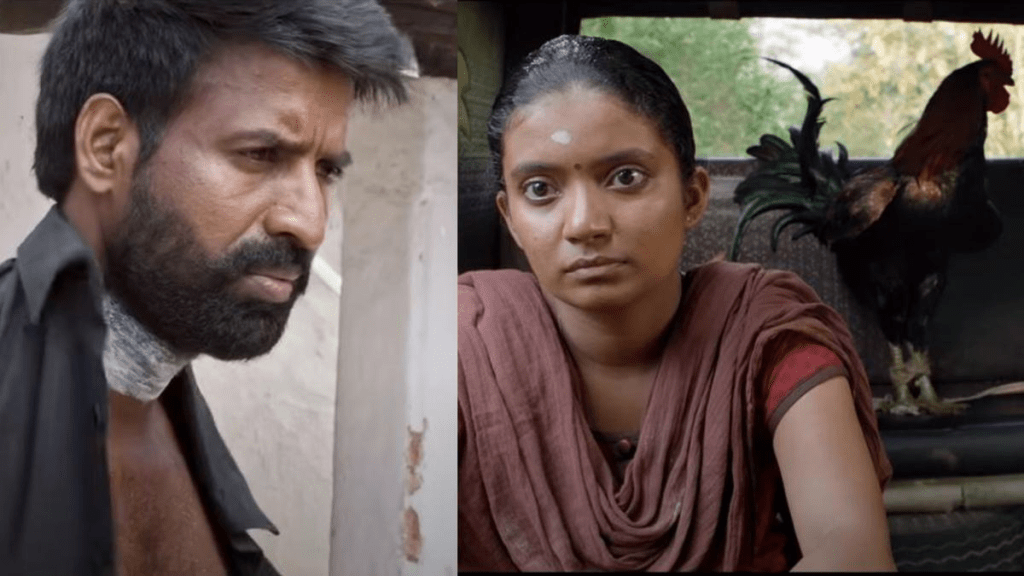
Soori and Anna Ben in stills from ‘Kottukkaali’ | Photo Credit: Special Arrangement
After what is the best scene of Kottukkaali when the film and its cast’s emotions hit a crescendo, a passive Meena (a brilliant Anna Ben) climbs into an auto, waiting for her time to come. Her eyes brim with tears, like a dam operating at the brink of its capacity, but not a drop jumps out to soothe her thwacked cheeks; in her books, that would mean conceding defeat. This is one among several endearing moments in director PS Vinothraj’s sophomore feature which is even better than his debut Koozhangal — India’s entry for the Best International Feature Film at the 94th Academy Awards — showing us that all the critical acclaim that came his way was no flash in the pan.
Anna Ben on ‘Kottukkaali’, transcending boundaries and making dream debuts in Tamil and Telugu
In many ways, Kottukkaali shares multiple parallels with Koozhangal: both are, in a way, travel films, capturing the trials and tribulations of a family, and both films start bang in the thick of the action. Just like the travellers moving from one place to another, the story expands to share more details with us as the film progresses. In a long montage, we see Meena’s family getting ready for a short trip; water bottles are filled, a scooter is rented and a man preps his auto for the long haul. As the family embarks on the journey, we learn that they believe Meena is ‘under the spell’ of her lover who we never meet. Said to be someone from an oppressed caste, this enrages the entire family, especially Pandi (an explosive Soori), whom she is betrothed to and this leads to her being dragged to a shaman to ‘deal with it’.
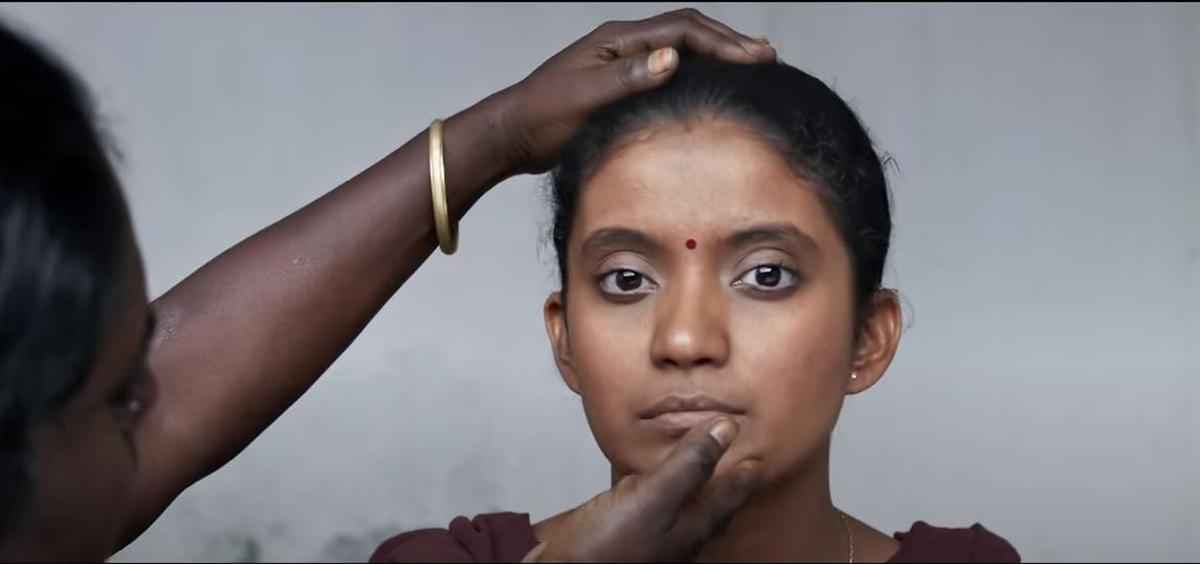
Anna Ben in a still from ‘Kottukkaali’ | Photo Credit: Special Arrangement
Akin to Koozhangal again, there is blatant sexism and chauvinism distilled through generations of patriarchy and filtered through centuries of caste pride. But unlike the earlier film which took its time to deliver the core message, Kottukkaali is flagrant about what it wants to put out. What makes Vinothraj a voice to reckon with, just like his contemporaries like Pa Ranjith and Mari Selvaraj, is how brilliantly he uses his prowess over cinematic language to write a story with which he evokes a myriad of emotions within us. Apart from the basics like the red rooster being a parallel to the red dress-sporting Meena — both want to escape and enjoy their freedom but are tied down to sacrifice themselves — Vinothraj lets you connect the dots and read between the lines. Neither does he want to provide a solution to the issue at hand, nor does he take cinematic liberties that would have pulled us out of this masterpiece garbed in reality.
Kottukkaali/The Adamant Girl (Tamil)
Director: PS Vinothraj
Cast: Anna Ben, Soori, Poobalam Pragatheeswaran, Sai Abinaya
Runtime: 104 minutes
Storyline: Enraged that a girl is in love with a boy from an oppressed caste, her fiancé and family plan on taking her to a shaman to make her undergo a regressive ritual which they hope will “break the spell”
While most of the films’ first slides thank the makers’ kins or the almighty, Vinothraj thanks Nature and his film shows you why. Apart from being a silent spectator to the happenings within Meena and Pandi’s families, it provides wonderful metaphors for the filmmaker to drive home his crucial points. In a scene that is equal parts hilarious and heartening for us, a fierce bull blocks the road and the men have no luck going past him; finally, a young girl lures the bull out of the way with words of affirmation. Like the rooster and the bull, Meena is nature personified, unwilling to yield to the demands of mortal men.
Vinothraj does a splendid job of explaining how this group of men and women, with their own problems to deal with, come together in the name of family to solve what they think is a bigger predicament. Right from one person dealing with an insect bite while relieving himself in the morning, to another coping with a runaway father, their personal problems sound insurmountable. But somehow, they all converge on the idea of having everything in their control and taking brute measures if things go haywire. The film accentuates this with a fantastic scene where the men flex their brawn to lift an auto. They are so naturally disruptive, that even to ring the temple bell, they would rather shake the very pole the bells are attached to.
PS Vinothraj on ‘Koozhangal’ and the growing space for parallel cinema in Tamil
But thanks to the writing, this fragmental display of masculine arrogance gets thwarted with ease as they are shown to be those who can’t even control their bladders, start an auto, or deal with a fly in the eye; that is when the family’s women rise to the occasion with comparatively amicable and saner approaches. But despite their voices being silenced by that of men whose rules dictate that a menstruating woman can’t enter temple premises, the women also end up being the flag-bearers of regressive beliefs. Vinothraj even takes humorous digs at the men’s crumbling egos as nature does everything it can to delay their journey; there’s a hilarious throwaway line on how a character attributes his friend’s immense growth in life to the time his father shed his trousers.
A.n. Santharam Santharam in Facebook

நாம் எழுத நினைத்த ஒன்றை இன்னொருவர் எழுதிப் பார்க்கும் போது வரும் மகிழ்ச்சியே தனி.
*
கொட்டுக்காளி திரைப்படம் குறித்து இயக்குனர் அமீர் பேசியதை கவனித்தேன். அபத்தம்.
அது குறித்து நண்பர் சுந்தர் காந்தி எழுதிய இந்தப் பதிவை பகிர்கிறேன்.
*
கொட்டுக்காளி திரைப்படம் திரையரங்கில் வெளியாகியிருப்பதை குறித்து இயக்குனர் அமீர் பேசிய காணொளியை சற்று முன்பு பார்த்தேன். என்ன சொல்வதென்றே தெரியவில்லை. முட்டாள்தனமான, அபத்தமான பேச்சு.
அமீர் தானிருக்கும் தமிழ்த் திரைத்துறையில் கொட்டுக்காளி போன்ற உலகத்தரம் வாய்ந்த ஒரு படம் வெளிவந்ததை, ஒரு சக கலைஞனாக கொண்டாடி அனைவரிடமும் கொண்டு சேர்த்திருக்க வேண்டும். ஆனால் இது போன்ற புதிய முயற்சிகளை முளையிலேயே கிள்ளியெற உதவும் வேலையை தான் அவரும் செய்கிறார். அவ்வப்போது அரசியல், கருத்தியல்கள் குறித்து நேர்காணல்களில் அமீர் பேசுவதைக் கேட்டிருக்கிறேன். அதன் மூலம் அவர் கொஞ்சம் தமிழ் தேசிய கருத்துகள் பேசக்கூடியவர் என்பதை அறிகிறேன். கொட்டுக்காளி திரைப்படம், உலகின் தலைச்சிறந்த படங்களுக்கு நிகராக வைக்கக்கூடிய அளவிற்கு தகுதி வாய்ந்த தமிழ்த் திரைப்படம்.
தமிழ் மொழியிலிருந்து ஒருவன் அதை செய்து காட்டியிருக்கிறான். அப்படிப்பட்ட ஒருவரையும் அவர் படைப்பையும் தமிழ் தேசியம் பேசும் இவர்களைப் போன்றவர்கள் உச்சி முகர்ந்து கொண்டாடியிருக்க வேண்டும். ஆனால், கொட்டுக்காளி போன்ற திரைப்படங்களை திரையரங்கிற்கே கொண்டு வந்திருக்கக் கூடாது என அறிவிலித்தனமாக அமீர் பேசியிருக்கிறார். இது தான் அமீர் போன்றவர்கள் பேசும் தமிழ் தேசியத்தின் லட்சணம். (கலையை மொழி, இனம், தேசியம், பாலினம் சார்ந்து பிரிப்பதில் நான் உடன்பாடற்றவன். ஒரு விவாதத்திற்காக தமிழ்த் திரைப்படம் என இங்கு குறிக்கிறேன்.)
அமீர் பேசியதின் சாராம்சம் இது தான். “கொட்டுக்காளி திரைப்படம் திரைப்பட விழாக்களுக்காக எடுக்கப்பட்டது. அதை வெகுஜன, மைய நீரோட்ட திரைப்படங்களுக்கு நிகராக திரையரங்கில் வெளியிட்டது தவறு. அது மிகப் பெரிய வன்முறை. அதை ஓடிடியில் வெளியிட்டிருக்க வேண்டும். அப்படி வெளியிடாமல் திரையரங்கில் வெளியிட்டது தான் இன்று இந்தத் திரைப்படத்தைப் பார்வையாளர்கள் திட்டுமளவிற்கு சென்றிருக்கிறது.”
இது சார்ந்து என்னுடைய சில கருத்துகளை பகிர நினைக்கிறேன்.
1. //கொட்டுக்காளி திரைப்படம் திரைப்பட விழாக்களுக்காக எடுக்கப்பட்டது//
கொட்டுக்காளி திரைப்படம் திரைப்பட விழாக்களுக்காக எடுக்கப்பட்ட திரைப்படம் அல்ல. அது திரைக்கலையை விரும்பும் அனைத்து மக்களுக்காகவும் எடுக்கப்பட்ட திரைப்படம். போலி திரைப்படங்களே விருதுகளுக்காகவும், திரைப்பட விழாக்களுக்காகவும் எடுக்கப்படும். கொட்டுக்காளி அப்படியான படம் அல்ல. அத்திரைப்படம் இந்தியச் சமூகத்தில் புரையோடிப்போயிருக்கும் மதம், சடங்கு சம்பிரதாயங்கள், சாதியம், ஆணாதிக்கம், பெண்ணடிமைத்தனம் போன்றவற்றை அதன் முழு வீரியத்துடன் அப்பட்டமாக பேசுகிறது. அதுவும் நேர்த்தியான உலகத்தரம் வாய்ந்த ஒரு திரைமொழியில். கலையின் மீதான அளப்பரிய காதலும், தான் சொல்ல நினைப்பதை எவ்வித பூச்சும் இல்லாமல் நேர்மையாக சொல்லவேண்டுமென்கிற ஒரு துணிவும் உள்ளவன் ஒருவனாலே கொட்டுக்காளி மாதிரியான திரைப்படத்தைக் எடுக்க முடியும். அந்த அசல் தன்மைக்காகவும், உண்மைக்காவும் தான் உலக அங்கீகாரம் கிடைக்கிறது. திரைப்பட விழாக்களுக்காகவும், விருதுகளுக்காகவும் எடுக்கப்பட்ட திரைப்படம் எது என்பதை எளிதாக கண்டுபிடித்து விடலாம். அவை கலை என நம்பப்படுபவனவற்றை வைத்து வலிந்து திணிக்கப்பட்டு எடுக்கப்பட்டிருக்கும். தொடர்ந்து உலகத் திரைப்படங்களை ஆழ்ந்து பார்ப்பவன் என்கிற முறையில் சொல்கிறேன், கொட்டுக்காளி அப்படியான ஒரு படம் அல்ல. ஒவ்வொரு சட்டகத்தின், ஒவ்வொரு ஒலியின், ஒவ்வொரு கண்ணசைவின் பொருள் உணர்ந்து எடுக்கப்பட்ட நேர்மையான திரைப்படம். கொட்டுக்காளி திரைப்படம் திரைப்பட விழாக்களுக்காக எடுக்கப்பட்டது என சொல்வது அறியாமையின் உச்சம்.
2. //கொட்டுக்காளி திரைப்படத்தை வெகுஜன, மைய நீரோட்ட திரைப்படங்களுக்கு நிகராக திரையரங்கில் வெளியிட்டது தவறு. அது மிகப் பெரிய வன்முறை. அதை ஓடிடியில் வெளியிட்டிருக்க வேண்டும்.//
இப்படி பேசுவதற்கு கூச வேண்டாமா? இந்த திரைப்படம் தான் திரையரங்கிற்கு வர வேண்டும் இது வரக்கூடாது என தீர்மானிக்க நீங்கள் யார்? அந்த உரிமையை உங்களுக்கு யார் கொடுத்தது? வெகுஜன, மைய நீரோட்டப் படங்களுக்கு மட்டும் தான் திரையரங்குகள், மற்ற படங்களுக்கு இல்லை எனச் சொல்வது எவ்வளவு பெரிய வன்முறை. நான் வெகுஜன திரைப்படங்களுக்கு எதிரி அல்ல. அப்படியான படங்களும் இங்கு தேவை தான். இங்கு அனைத்து விதமாக படங்களும் வர வேண்டும். அனைத்து விதமான படங்களுக்கும் இங்கு ரசிகர்கள் இருக்கிறார்கள். வெகுஜன திரைப்படங்கள், இடைநிலை திரைப்படங்கள், கலைத் திரைப்படங்கள் என நிலைகள் இங்கு இருக்கின்றன. இங்கு திரையரங்குகள் வெறும் வெகுஜன சினிமாக்களுக்காக மட்டுமே கொடுக்கப்படுகின்றன. இடை நிலை சினிமாக்களும், கலை சினிமாக்களும் எங்கு போவது.? இன்று ஓடிடி வந்துவிட்டது. ஓடிடியில் பார்த்துக் கொள்ளுங்கள் என்கிறீர்கள். ஒன்று தெரியுமா இன்று ஓடிடிகளும் வெகுஜன திரைப்படங்களுக்கே அதிக முக்கியத்துவம் அளிக்கின்றன. ஒலியிக்கு முக்கியத்துவம் கொடுத்து எடுக்கப்படும் கொட்டுக்காளி போன்ற திரைப்படங்களை திரையரங்களில் பார்ப்பதென்பதை ஒரு பேரனுபவம். அதை தடுக்க நீங்கள் யார் அமீர்? பிரச்சனை, திரைப்படத்தில் இல்லை இங்கிருக்கும் வணிக அமைப்பில் இருக்கிறது. அதை கேள்விக்குட்படுத்துங்கள்.
3. //அதை ஓடிடியில் வெளியிட்டிருக்க வேண்டும். அப்படி வெளியிடாமல் திரையரங்கில் வெளியிட்டது பெரிய தவறு. அது தான் இன்று இந்தத் திரைப்படத்தைப் பார்வையாளர்கள் திட்டுமளவிற்கு சென்றிருக்கிறது.//
நான் ரசிகர்களை குறை சொல்ல விரும்பவில்லை. அவனுக்கு திணிக்கப்படும் திரைப்படங்களை பார்த்து தான் அவன் வளர்ந்திருக்கிறான். திடீரென ஒரு புதிய திரைமொழியில் ஒன்றை பார்த்ததும் அதை உள்வாங்கிக் கொள்ள முடியாமல் திகைக்கிறான். காசு கொடுத்து பார்த்த விரக்தியில் படத்தைத் திட்டி தீர்க்கிறான். இரண்டு நாட்களாக கொட்டுக்காளி திரைப்படத்தை மக்கள் எவ்வாறு எடுத்துக் கொண்டிருக்கிறார்கள் என்பதை தொடர்ந்து கவனித்து வருகிறேன். அங்கீரிப்பு, நிராகரிப்பு என இரண்டு நிலைகளிலும் பார்வையாளர்கள் இருக்கிறார்கள்.
நிராகரிப்பவர்களின் மனநிலை குறித்து சற்று யோசித்துப் பார்த்தேன். கொட்டுக்காளி திரைப்படம் 90 நிமிடத் திரைப்படம். நாம் 2.30 மணி நேர திரைப்படங்களையே பார்த்து வந்தவர்கள். இண்டர்வெல் என்கிற ஒரு பண்பாடு நம்மிடையே இருக்கிறது . அது தவறில்லை. ஆனால் அதன் பின்னிருக்கும் கொள்ளை வணிக கலாச்சாரத்தை யார் கேள்விக்குட்படுத்துவது? முப்பது ரூபாய் பாப்கார்ன் 100’க்கு 300’க்கு விற்கப்படுகிறதே. இந்த அப்பட்டமான பகல் கொள்ளையை எதிர்த்து அமீர் கேள்வி கேட்டிருக்கிறாரா? இதை ஏன் இங்கு சொல்கிறேன் என்றால் கொட்டுக்காளி மாதிரியான 90 நிமிட படங்களை இடைவெளியே இல்லாமல் வெளியிட திரையரங்குகள் தயாராக இருக்கிறதா? இது போன்ற படங்களுக்காவாவது அந்த “இடைவெளி” கொள்ளை வணிகத்தை அது விட்டுக்கொடுக்க தயாரா? அதை பற்றி பேசுங்கள். அமைப்பை அனைத்து படங்களுக்குமான வெளியாக சீர்திருத்துங்கள்.
ஒரு வேளை இடைவெளியின்றியும், இறுதியில் வருகிற அந்த “முடிவு உங்கள் கையில் ஒப்படைக்கப்படுகிறது” என்கிற குறிப்புமின்றி இத்திரைப்படம் வெளியிடப்பட்டிருந்தால் நிச்சயம் இப்பொழுது வருகிற எதிர்மறை விமர்சனங்களும் பெரும்பாலும் குறைந்திருக்குமென நினைக்கிறேன். அந்த இறுதிக் குறிப்பு போடுவதில் தனக்கு விருப்பமில்லை என படத்தின் இயக்குனர் ஒரு நேர்காணலில் சொல்லியிருக்கிறார்.
ஒட்டுமொத்த அமைப்பில் இவ்வளவு சிக்கலை வைத்துக் கொண்டு, அதை மாற்ற ஒரு துரும்பையும் அசைக்காமல் எளிய இலக்காகயிருக்கும் நேர்மையான கலைஞர்களையும் அவர் படைப்புகளுக்கான வெளியையும் குறிவைத்து தாக்குவது எந்த வகையில் நியாயம்? அவர்களுடைய படங்கள் திரையரங்கில் வெளியிடக் கூடாது, ஓடிடியில் வெளியீட்டுக் கொள்ளுங்கள் எனச் சொல்வது எவ்வளவு பெரிய அடக்குமுறை.
கொட்டுக்காளி, தமிழ் சினிமாவில் நிகழ்ந்த அற்புதம். இப்படியான முயற்சிகளுக்கு தடையாக இருக்கும் சமூக அமைப்பை மாற்றாமல் அம்முயற்சிகளையே சமூக தடையாக முன்னிறுத்துவது எத்தனை பெரிய அயோக்கியத்தனம்.
 Knock nock
Leave a comment