

By Andy Geller | June 18, 2023
This article was originally published on 12up.com and has been republished here with permission.

Gregory Peck was one of the greatest film stars of Classic Hollywood Cinema. With his deep, clear voice and his large frame, he was the ideal candidate for roles of intimidating and authoritative characters. Nevertheless, he was able to portray many characters by applying his personal and even tragic life experiences to his on-screen persona. Let’s take a look at the life of the iconic actor, Gregory Peck.
A Challenging Childhood
As the saying goes, great acting is born from pain. For Gregory Peck, in particular, this line rang true. Born in La Jolla, California to Bernice “Bunny” May and Gregory Pearl Peck, the future actor’s life became particularly complicated after his parents divorced when he was five years old.
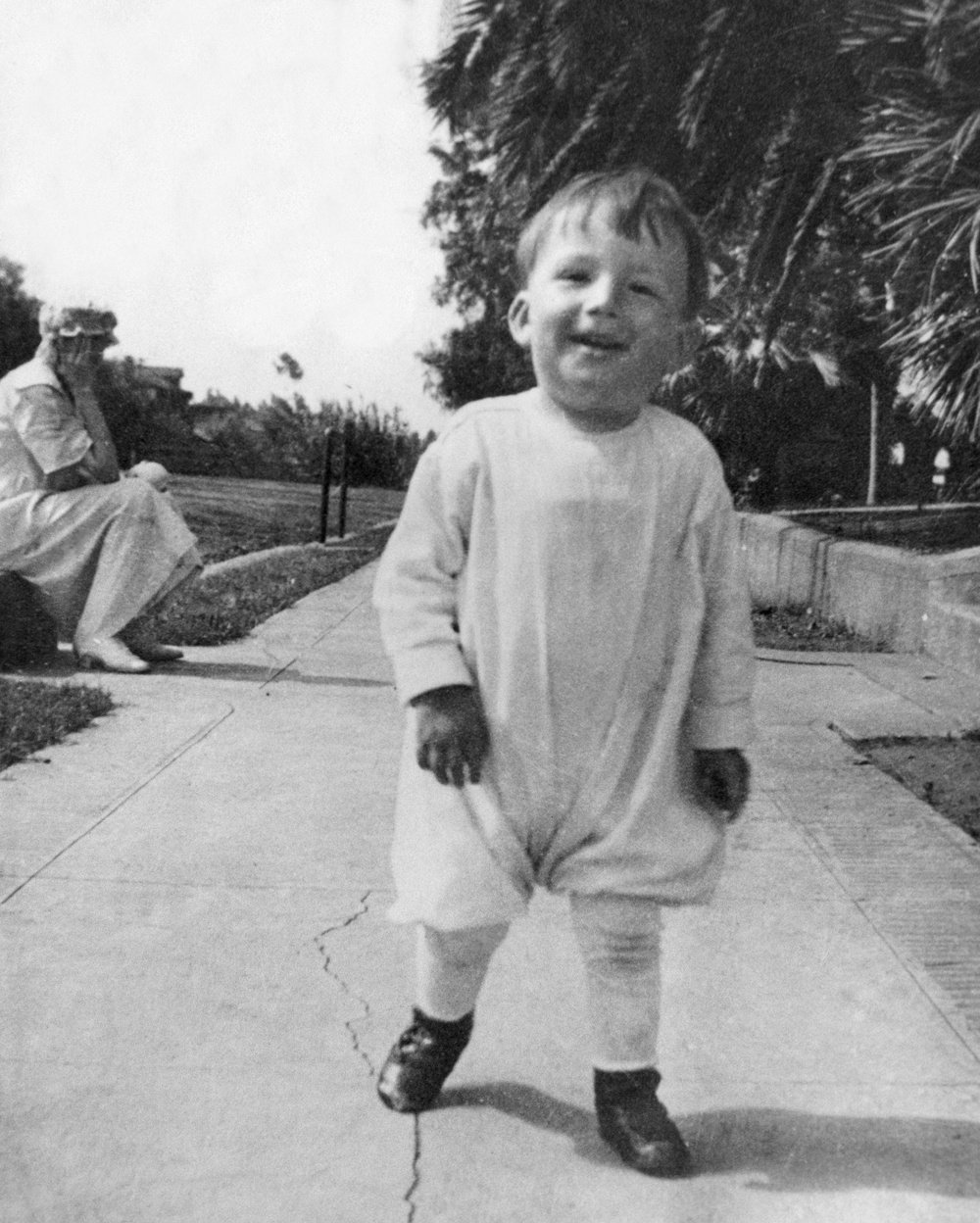
He was sent to live with his maternal grandmother, and at the age of 10, began attending St. John’s Catholic Military Academy in Los Angeles. He finally returned to live with his father in his teens, during which time he attended high school in San Diego.
A Religious Awakening
While Peck may have portrayed a young priest in the 1944 film The Keys of the Kingdom, he also happened to take an active role in religion in real life.
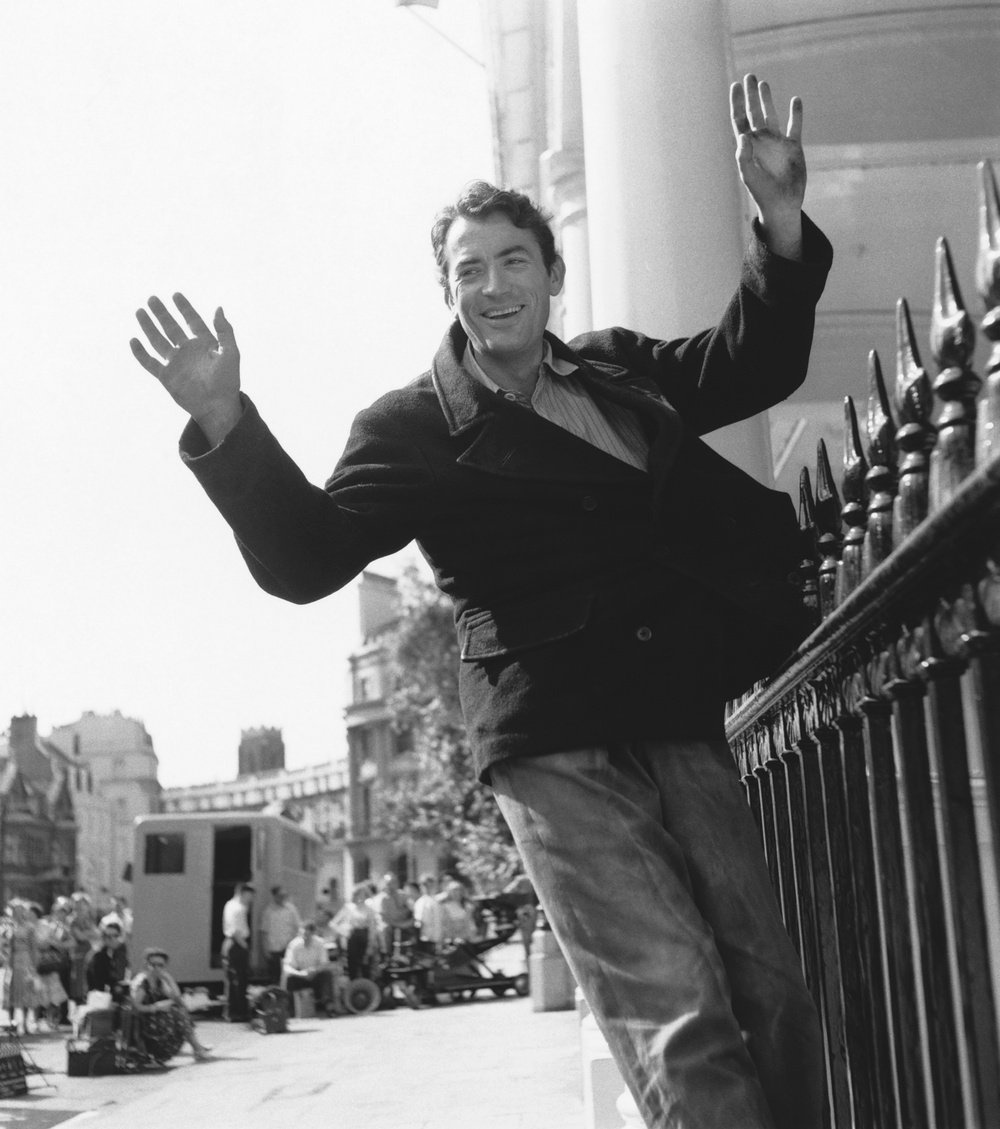
Having been actively raised as a Catholic, Peck was no stranger to religious customs. As a result of his love for his faith, Peck strongly considered becoming a priest at one point in his youth. Ultimately, he decided that life in the clergy was not for him, due to his stances on abortion, contraception, and the religious ordination of women.
The Life He Could Have Had
While many people may wish that they could have gotten a glimpse into the life they might have had if they made different decisions, Gregory Peck was actually afforded this opportunity.

The Keys Of The Kingdom followed the story of a young Catholic priest, Father Francis Chisholm, who travels to China as a missionary. While only his second film appearance, Peck’s gripping performance earned him an Academy Award nomination for Best Actor. Perhaps this was a result of two of his undying passions colliding with one another.
Peck’s Atheltic Side
While medicine may be a very demanding university course, Gregory Peck nevertheless made time for another hobby of his during his time at the University of California.
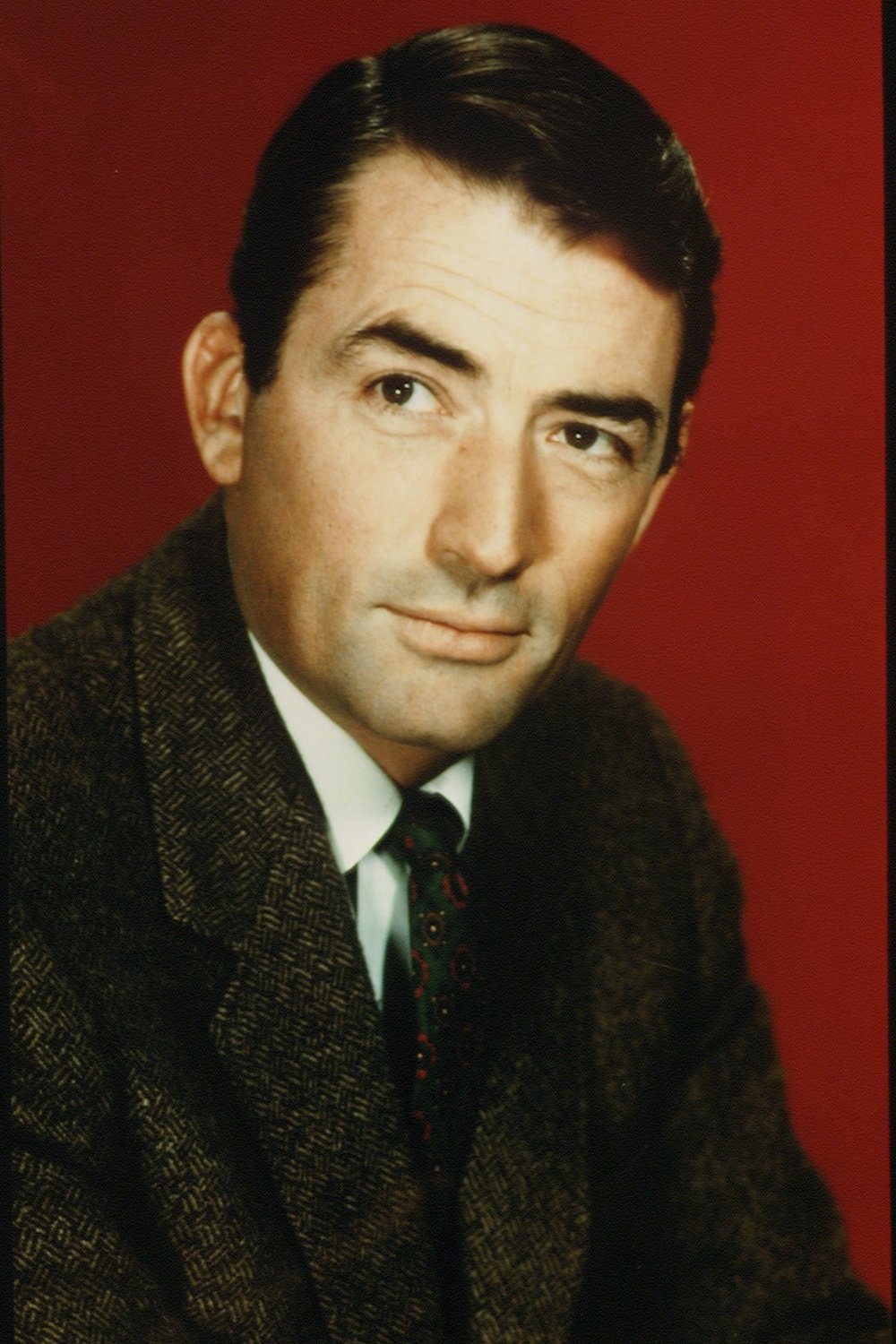
Throughout his university days, Peck was a committed member of the Berkeley Rowing Crew. Peck clearly cherished his time with the rowing crew, as in 1997, he decided to make a donation of over $25,000 to the team in honor of his coach Ky Ebright. This was yet another example of the generosity that Peck exhibited throughout his life.
A Covert Move
Once Peck had realized that his love for acting overshadowed his desire to practice medicine, he realized that a fresh start in a new city was in order.
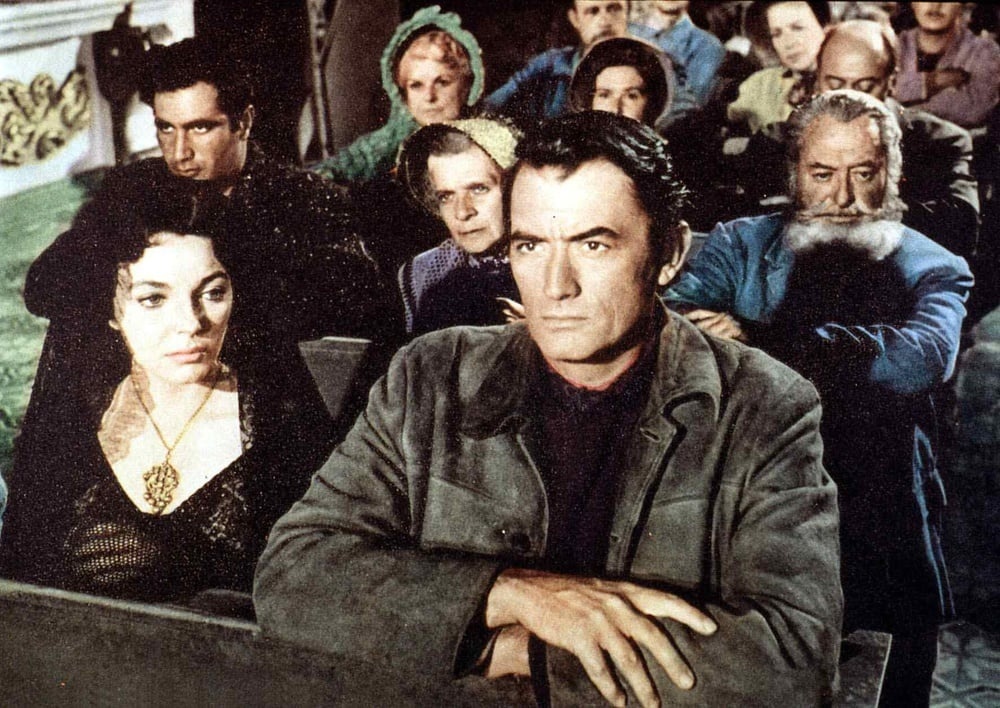
Seeing as he wished to act on stage at the time, there was only one new destination that he had in his sights – New York City. In an abrupt fashion, Peck decided to skip out on his own graduation in favor of fulfilling his dream. With just $160 in his pocket and armed only with a letter of introduction, Peck embarked on a trip to the home of Broadway theatre.
Escape From Military Duty
A few years prior to Peck’s Hollywood breakthrough, the United States entered the Second World War following the attack on Pearl Harbor. This should have resulted in Peck’s military draft.
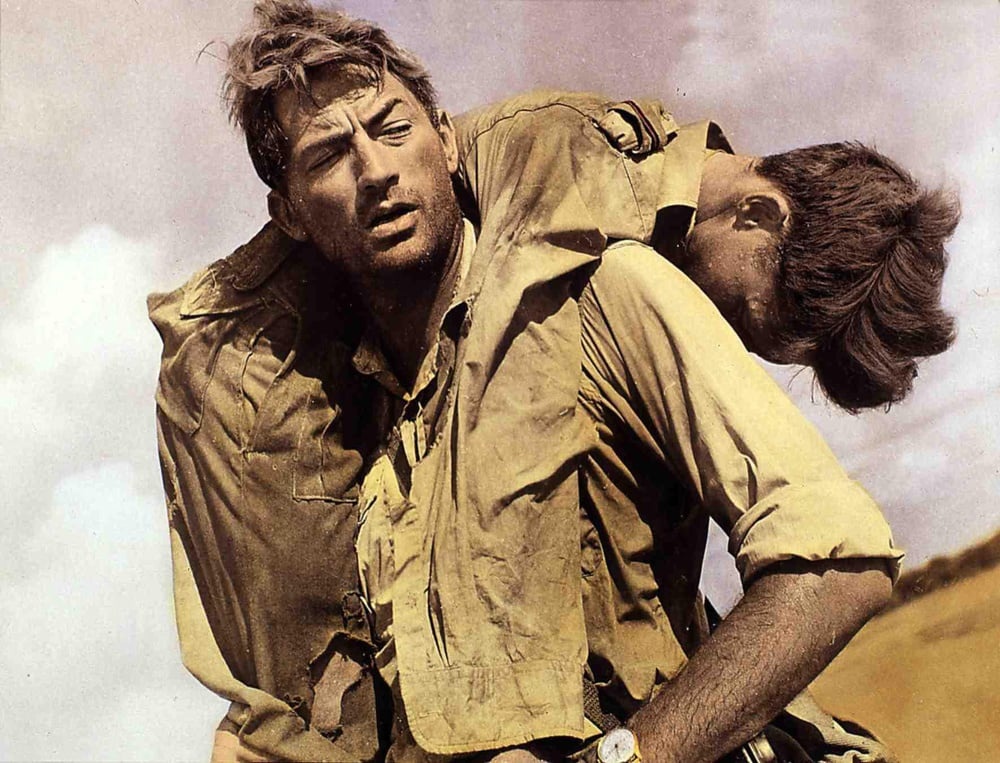
As luck would have it, Peck was exempt from active service due to a back injury, thereby leaving him to pursue his acting dream. While rumor had it that this was an old rowing injury that had been aggravated once again, Peck confirmed years later that he actually sustained this injury in a dance class!
An Embarrassing Debut
In 1944, Peck made his film debut playing Soviet Guerilla Vladimir in the war film Days of Glory. While this should have been a solemn occasion for the actor, Peck wasn’t very proud of his first on-screen acting credit.
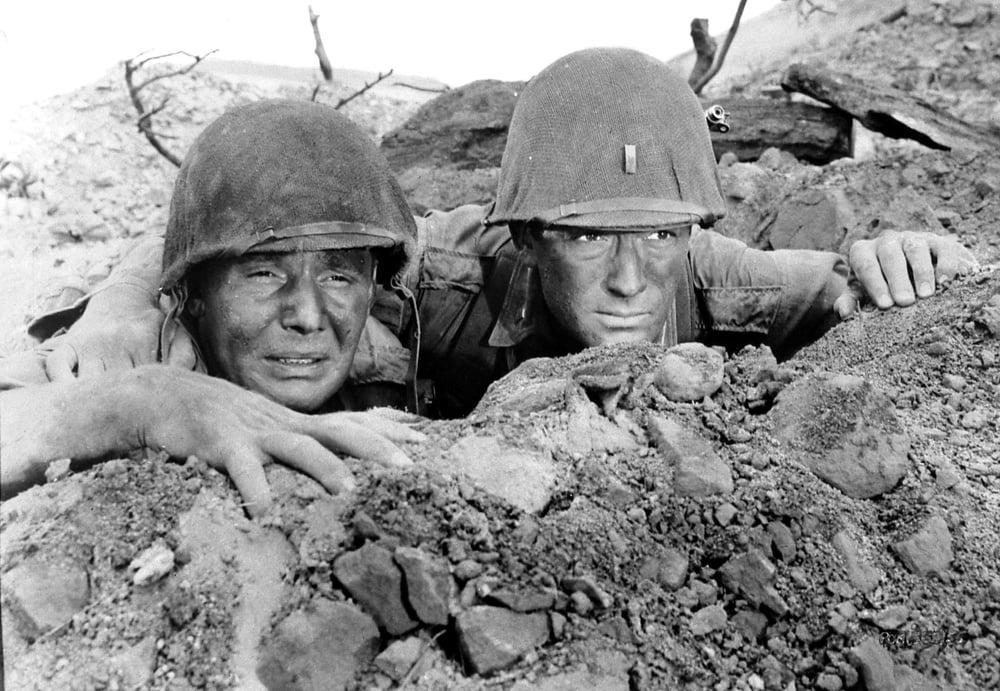
In fact, Peck admitted that he never watched the completed film in his entirety. His reason for this is because he found his performance to be “amateurish”, and therefore, not a pleasant one to observe. In line with his own opinion, Days of Glory has become a largely forgotten film in Peck’s acting portfolio, with an array of later emphatic performances contributing to his esteemed reputation in Hollywood.
A Troubled Marriage
In 1942, Peck married Greta Kukkonen, a woman with whom he would have three children. Unfortunately, their time together was not as rosy as some of Peck’s on-screen romances.
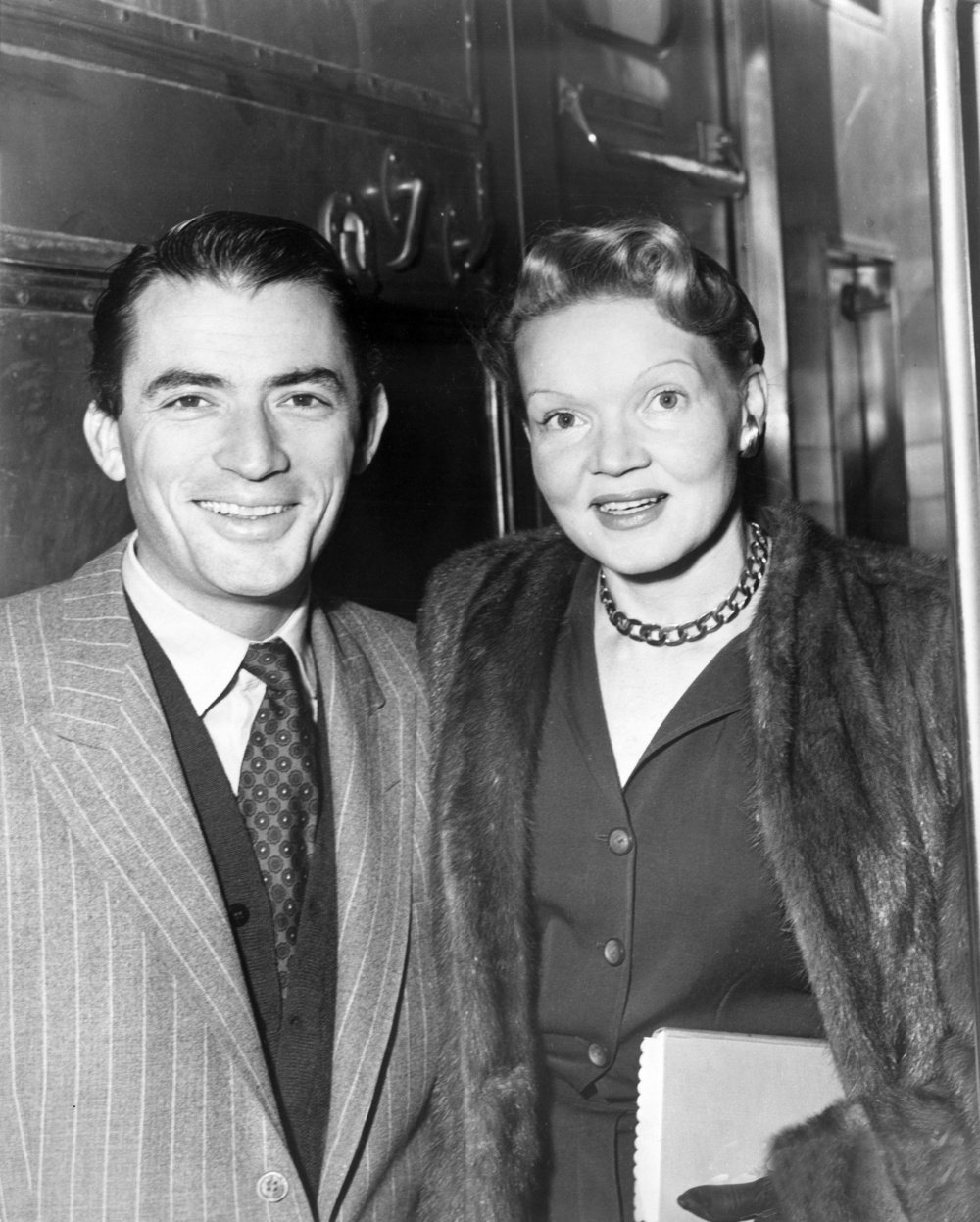
While filming the Alfred Hitchcock psychological thriller Spellbound, Peck engaged in a brief affair with co-star Ingrid Bergman. While he admitted to the fling much later (in 1987 to be exact), this nevertheless impacted his marriage. Unfortunately, his relationship with Kukkonen was never fully repaired, and the couple divorced in 1955.
Brutal Honesty
While Peck’s affair with Ingrid Bergman during the shooting of 1945 film Spellbound became public knowledge, the actor himself bravely decided to go on record about it in 1987.
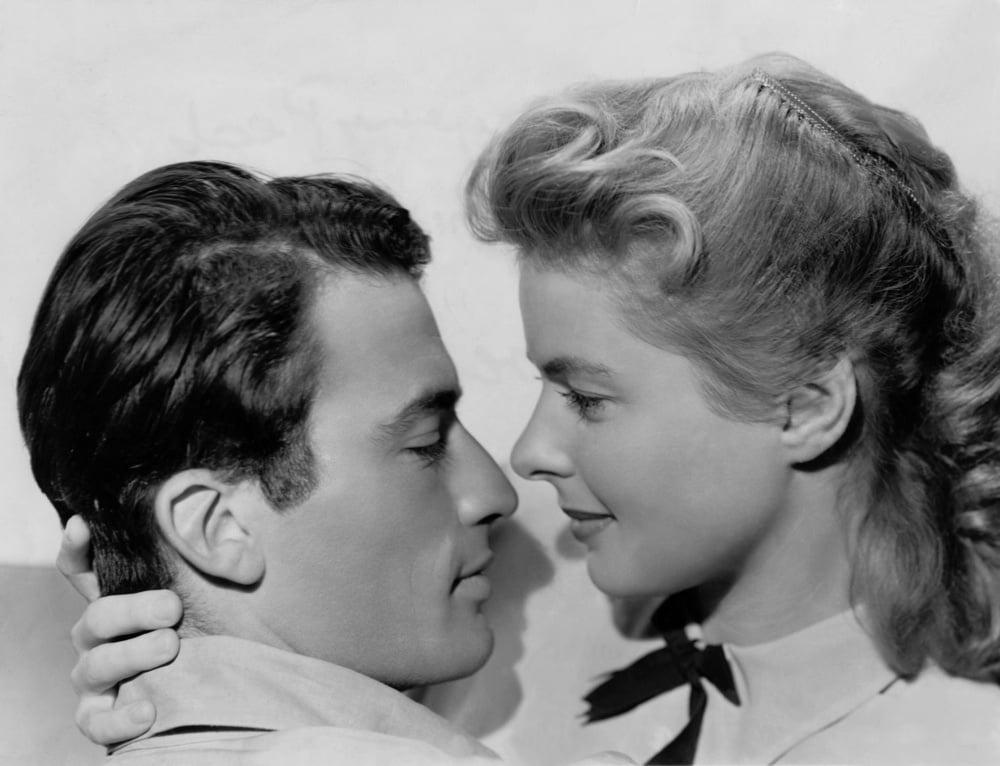
During an interview with a reporter from People magazine, Peck revealed the true extent of his feelings for Berglund. He explained, “All I can say is that I had a real love for Bergman and I think that’s where I ought to stop. I was young, she was young. We were involved for weeks in close and intense work.” Peck clearly had that rare quality of admitting when he was wrong.
Finding Love For A Second Time
While one would typically expect a recently divorced person to take some time to recover emotionally before jumping into yet another marriage, this was not the case with Peck.
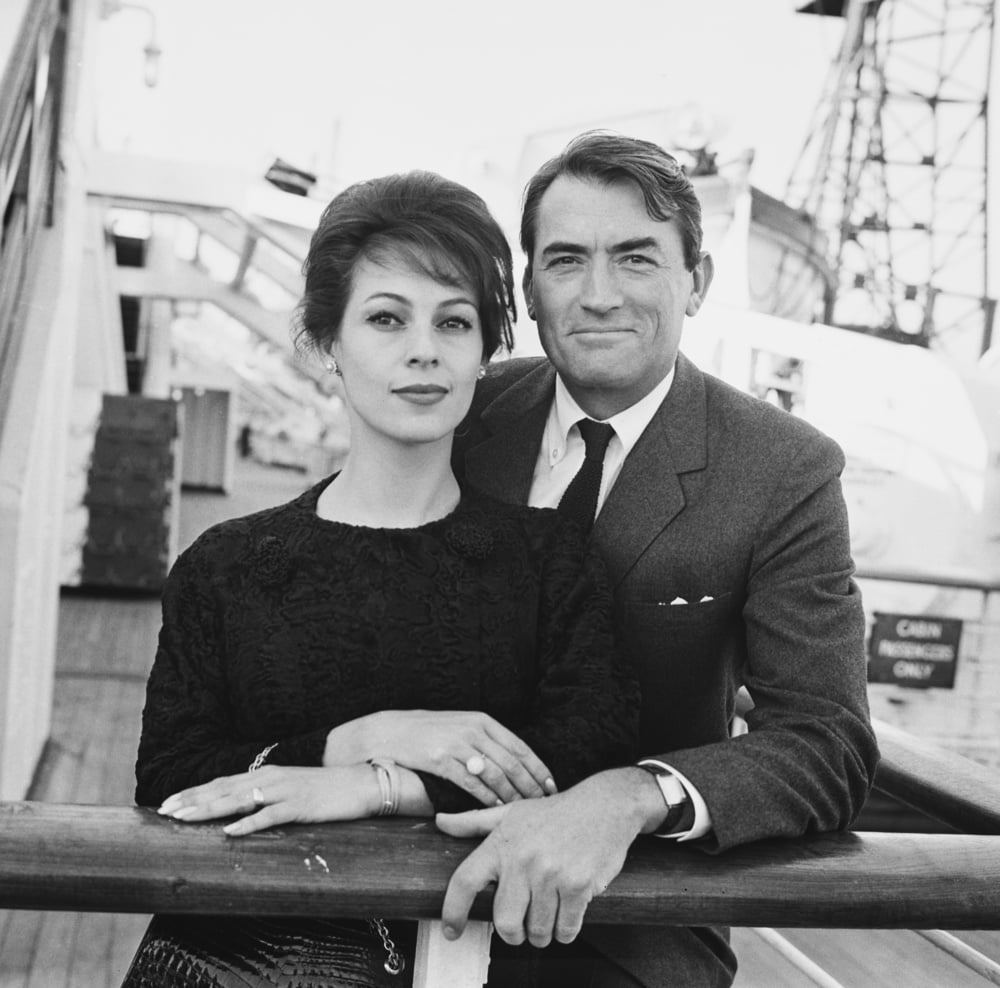
In fact, Peck got remarried just one day after his divorce from Kukkonen was finalized, this time to French-American journalist Véronique Passani. Peck’s second marriage turned out to be far more healthy and prosperous than the last, as he ultimately remained married to Passani up until his death in 2003. The couple’s daughter, Cecilia, was born in 1958 and continues to work as an actress, director, and producer.
A Family Affair
While Peck’s daughter Cecelia went on to receive a Golden Globe nomination, she was not the only child of Peck to appear on the big screen.
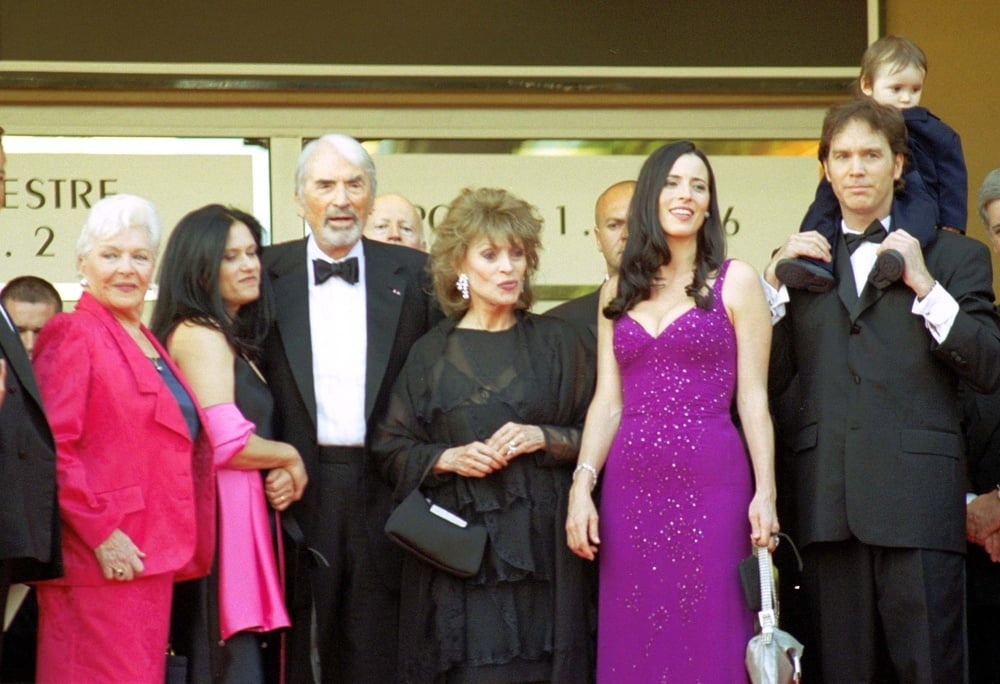
Peck’s sons, Jonathan Peck, Carey Paul Peck, and Stephen Peck, all appeared alongside their father in the 1958 epic Western film The Big Country. While Peck’s children may have only played minor roles in the movie, their appearances nevertheless contributed to the authenticity of the relationships that the main protagonist James McKay forms over the course of the movie. While plagued with production issues, this film ultimately became a financial success.
A Devastating Tragedy
In 1975, Jonathan Peck, Gregory’s son died of suicide. Jonathan was tall and handsome like his father. He graduated college as a track star, enrolled in the Peace Corps, and spent two years in Tanzania developing an agricultural syllabus in Swahili. Back in California, he worked at a Los Angeles radio station and TV station. “He was one of the most pleasant people I’ve ever known,” said his former boss.

He didn’t do drugs and rarely drank, but acquaintances did report seeing a dark side to him. Gregory was especially affected by his son’s death. He didn’t work for two years and it was rumored he was checked into an “insane asylum”. Years later, Tony Peck, Gregory’s other son opened up about how the death broke his father’s heart and how he was afraid that his life would follow in the same direction.
Suited Up
From classic drama films such as To Kill A Mockingbird to romantic comedies such as Roman Holiday, Peck starred in a variety of roles that required him to dress in formal attire.
Throughout his dazzling film career, Peck managed to turn plenty of heads with his debonair looks and charm. This contributed to him being admitted to the International Best Dressed List Hall of Fame in 1983. It’s no wonder that he was able to grab the attention of starlets such as Ingrid Bergman.
A Star Is Born
While Peck was known to rub shoulders with many of Hollywood’s elite, one of his most engaging on-screen relationships was shared with a promising young actress who was just launching her film career – Audrey Hepburn.
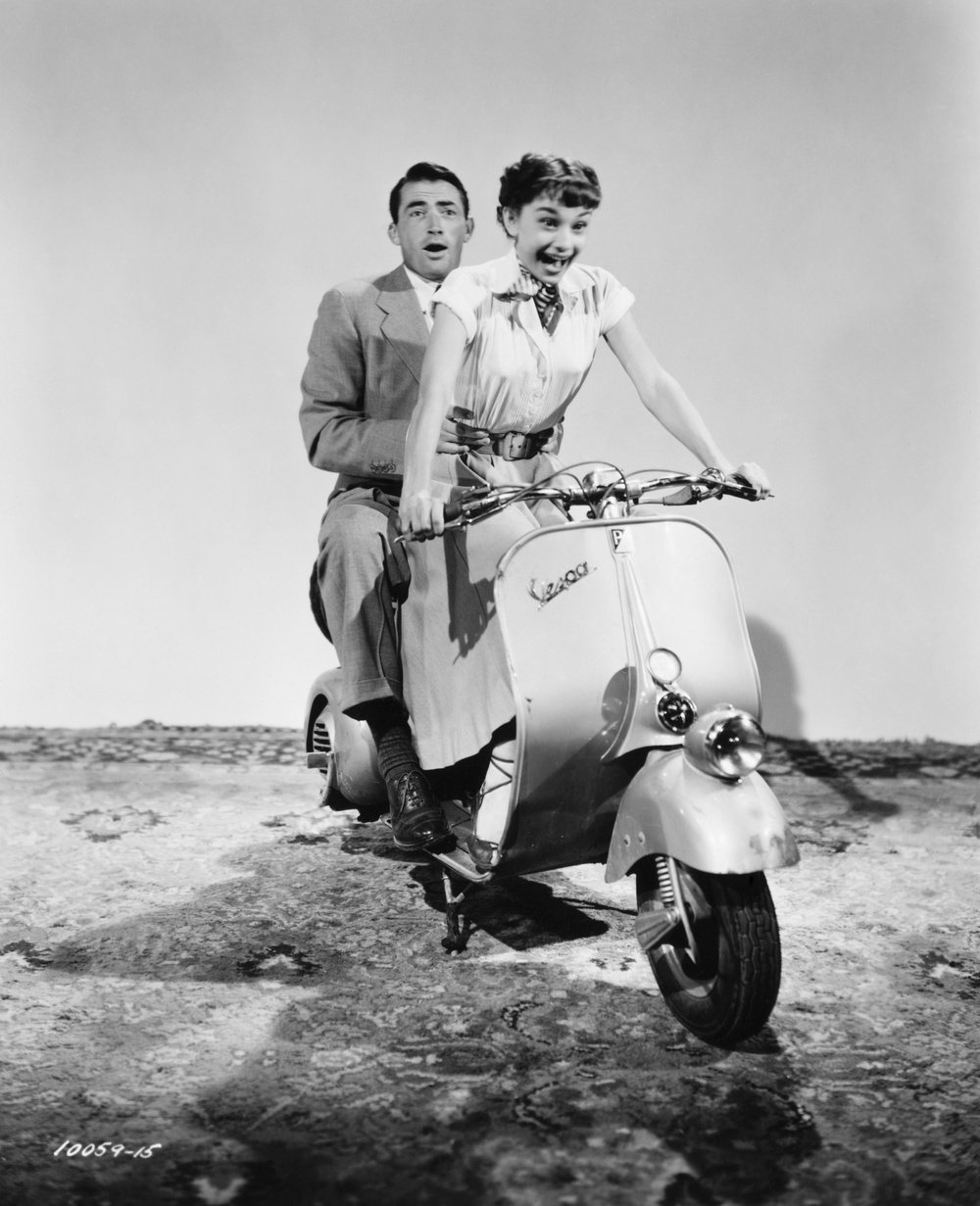
Peck and Hepburn were starring alongside one another in the 1953 romantic comedy Roman Holiday. While this happened to be Hepburn’s on-screen debut, Peck had so much faith in her star potential that he insisted that Hepburn’s name be featured above the title card in the opening credits of the movie. Peck’s instincts proved to be correct, as Hepburn went on to win an Academy Award for her performance in this romantic comedy.
Another Son Was Deeply Affected
Anthony continued to share about the hardships of living in his father’s shadow. Anthony Peck became an actor himself and married supermodel Cheryl Tiegs. Anthony shared that he was “miserable” in the ’90s. “My life had stopped working,” he recalls. “I just wasn’t sitting comfortably in my own skin.” Anthony developed a drinking problem, putting strain on his relationship with his father and eventually destroying his marriage.

“I had a disease that made me self-destructive,” he says of his alcoholism. “My wild behavior tested the patience of everyone who loved me, including my parents.” He feared he would meet the same fate as his brother who took his own life. But when Anthony’s behavior finally forced Tiegs to leave him, he suddenly stopped drinking. Six years later he was already sober and starring in a new film.
Acting Runs In The Family
While Gregory Peck may have passed away in 2003, his acting legacy lives on through his grandson, Ethan.
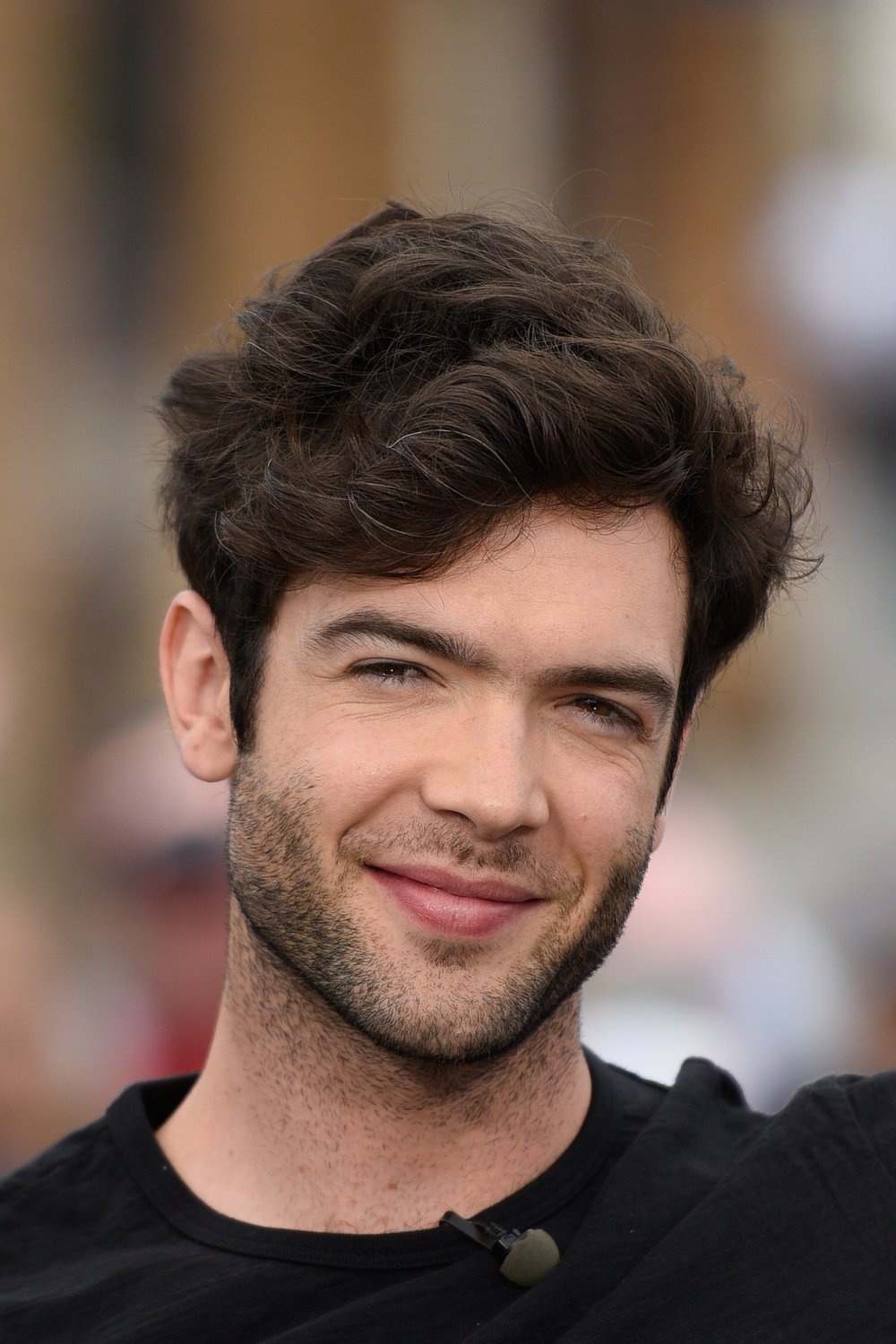
In 1999, Ethan landed his debut film role alongside Mary-kate and Ashley Olsen in the comedy Passport to Paris. He later appeared in films such as The Sorcerer’s Apprentice and In Time, while also landing the role of Patrick Verona in the television adaption of 10 Things I Hate About You. In 2019, Ethan Peck was cast as Spock in the television series Star Trek: Discovery.
Putting His Life On The Line
In 1956, Peck starred as Captain Ahab in the film adaption of Herman Melville’s novel Moby-Dick. While the film’s plot happened to include themes of danger and fear, so too did Peck’s real-life experience on set.
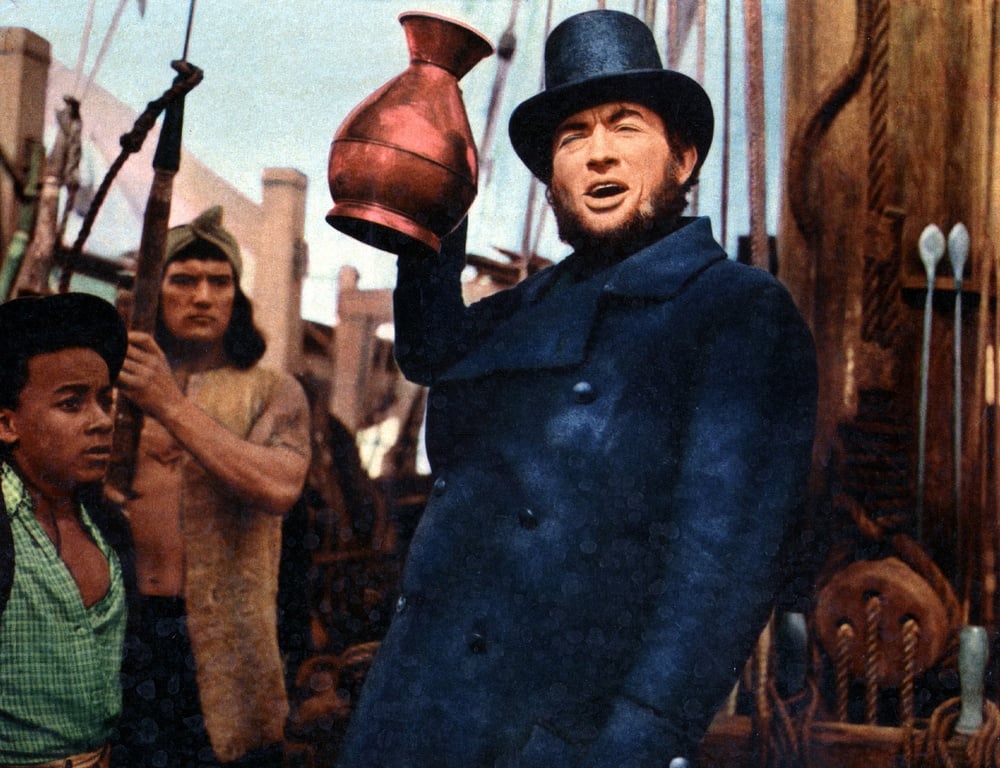
With filming taking place off the coast of Ireland, Peck and the rest of the care were subjected to strong winds and currents. As a result of stormy weather, Peck almost drowned twice during filming, with many other crew members also suffering injuries courtesy of the harsh environmental conditions. Fortunately, Peck managed to pull through, delivering a stellar performance that was greeted with a warm critical reception.
The Truth Behind Peck’s Casting As Captain Ahab
With so many acclaimed performances, ranging from Gentleman’s Agreement to How The West Was Won, one would have expected plenty of filmmakers to fight to have Peck featured in their films. Astonishingly, there was one movie in which the director was not really that enthusiastic about the casting of Peck.
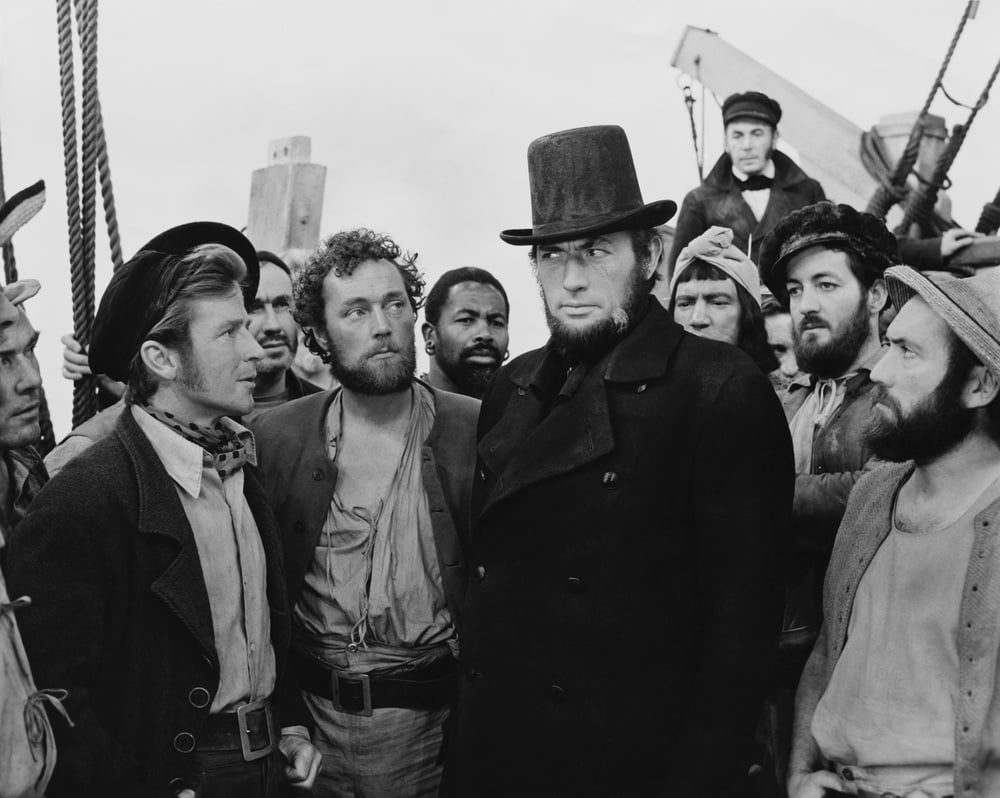
This film was none other than Moby Dick. Initially, director John Huston praised Peck for his involvement, stating that “Nobody could do this part except you”. This was not Huston’s true feelings on the matter, however, as it was later revealed that Huston only awarded Peck with the role of Captain Ahab due to the demands of Warner Bros.
A Fitting Sendoff
While Gregory Peck may not have been the Captain Ahab that the director of Moby Dick initially envisioned, other filmmakers held contrasting opinions. In fact, Peck was cast as Father Mapple in a 1998 television miniseries adaption of the novel by Herman Melville.
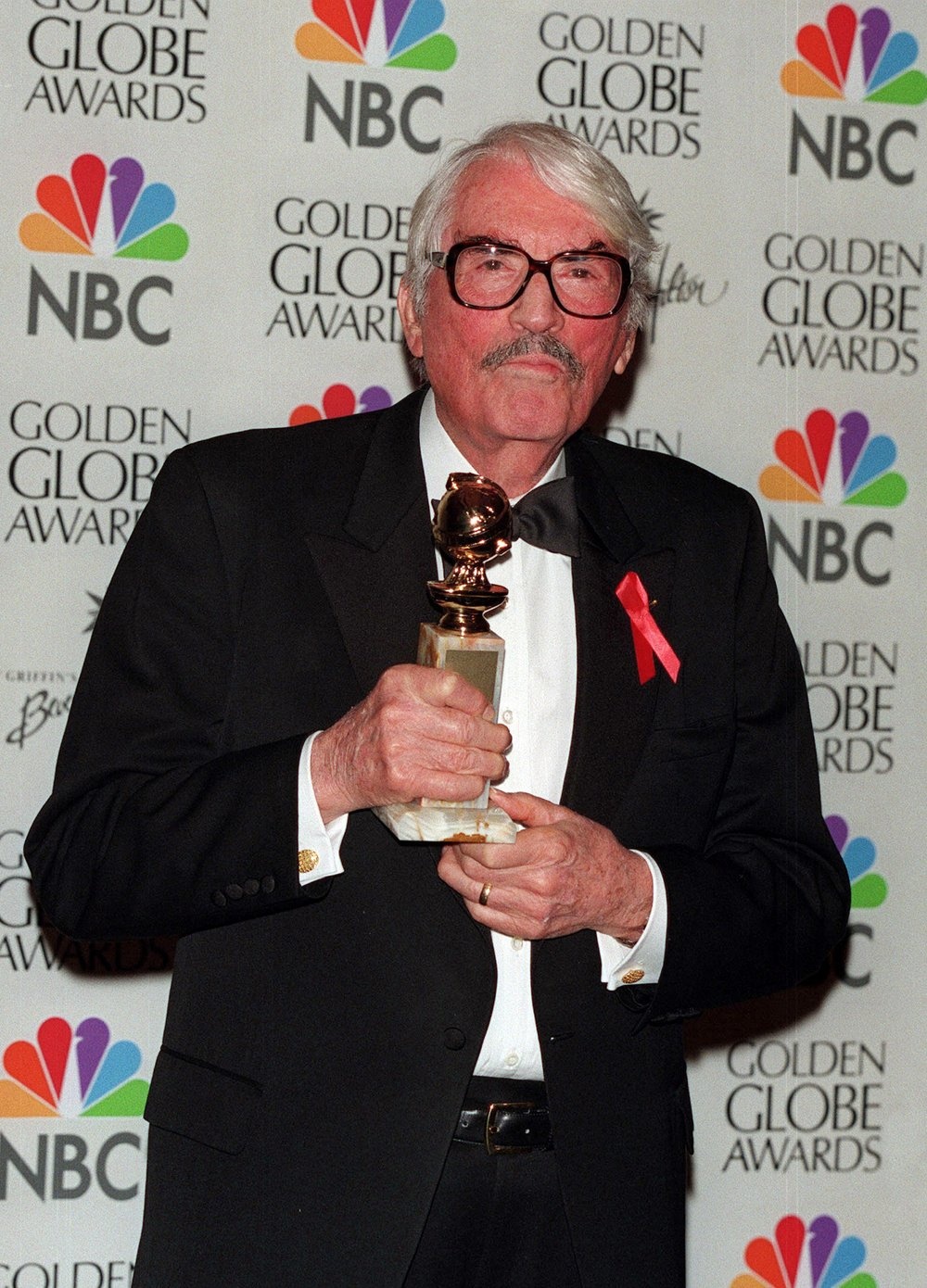
In what was his final acting credit, Peck blew away critics and audience members alike with his sincere performance. Peck was deservingly awarded the 1999 Golden Globe for Best Supporting Actor in a TV Series. This was a highly fitting end to what was a dazzling film and television career for Hollywood legend Gregory Peck.
Putting His Body On The Line
Standing at an imposing 6 ft. 3, Peck had a large and brooding stature that made him an ideal fit for action roles.
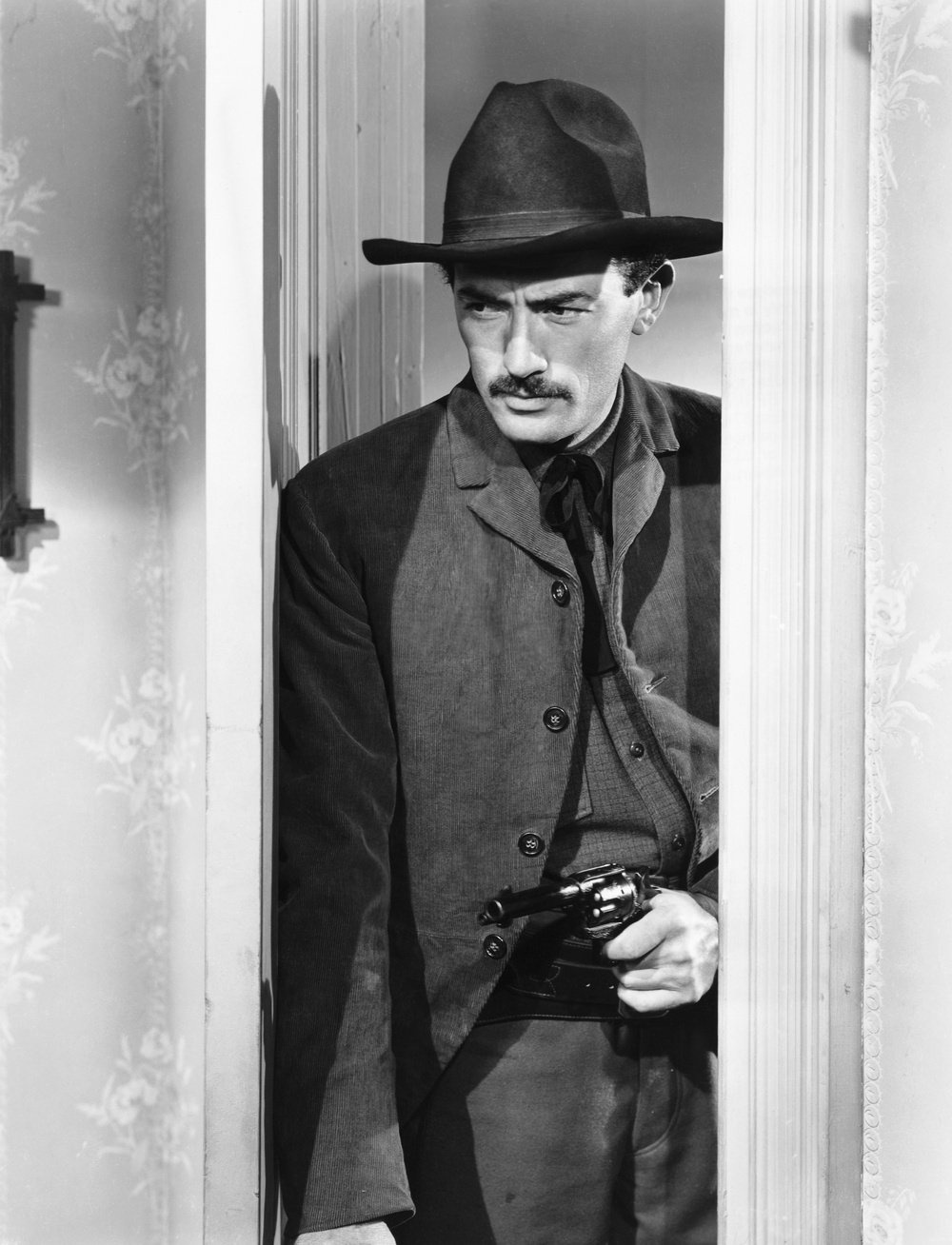
Peck’s physically imposing appearance and serious demeanor led to the actor being cast in successful action films such as The Gunfighter, Cape Fear, and How the West Was Won. This naturally led to Peck being featured in an array of fight scenes. While stunt doubles have been commonly used by many Hollywood actors, Peck nevertheless opted to perform his own stunts for the majority of his career.
Landing On Nixon’s Radar
As he exhibited in his choice of roles, Peck was politically aligned with the Democratic Party. For example, in the film On The Beach, Peck displayed his disdain for nuclear weapons. This was, after all, a film that aimed to showcase the devastating consequences of nuclear warfare.
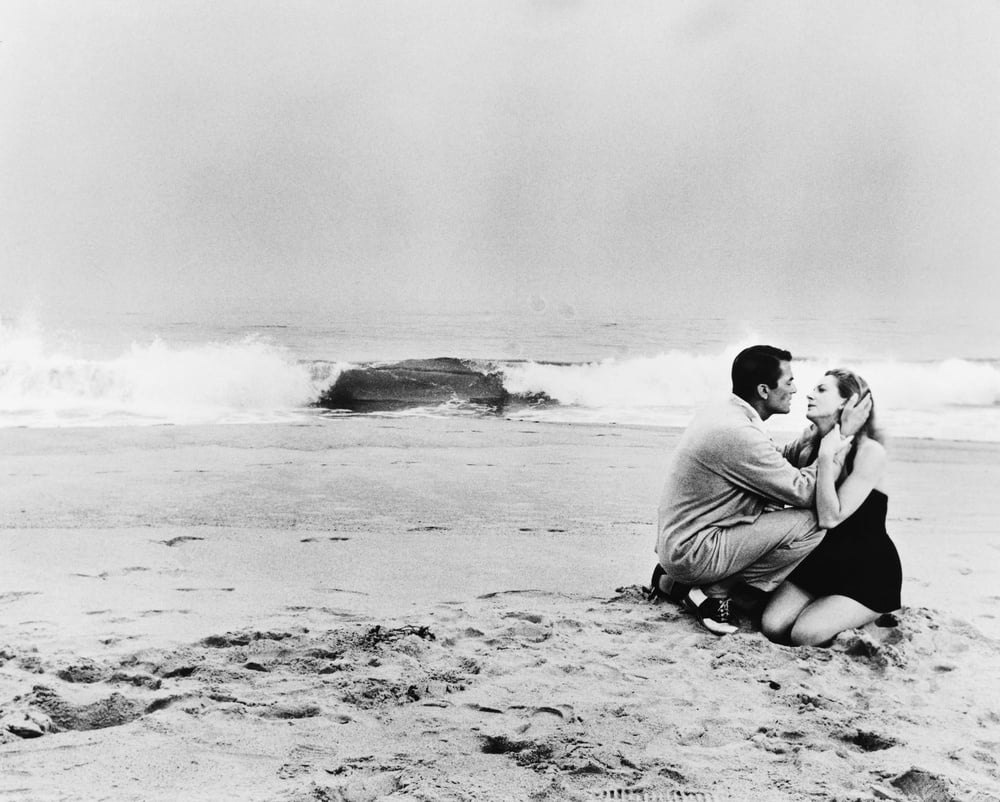
Peck’s liberal-leaning opinions not only made the rounds in Hollywood but across the United States itself. His opposition to the House Un-American Activities Committee became widespread knowledge, with then-US President Richard Nixon even including Peck on his infamous “enemies list”.
A Horse Racing Enthusiast
In addition to his dazzling career, Peck also happened to have had his fair share of hobbies. Horses happened to hold a particularly special place in Peck’s heart.
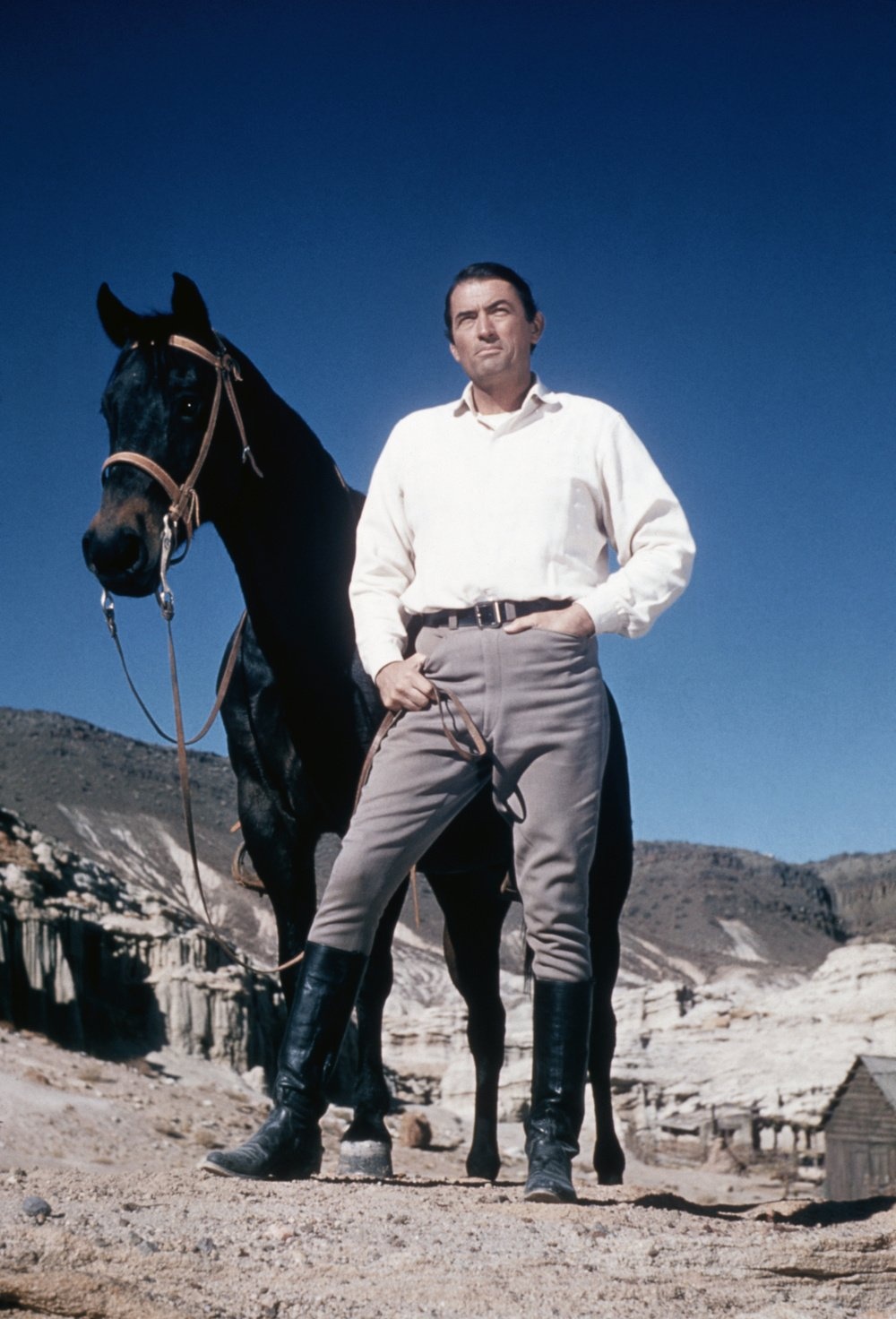
As was the case with Guinness, Peck took his love for horses to another level. In addition to starring in numerous films that featured horseriding, Peck owned a thoroughbred steeplechase horse named Different Class. He entered his horse into the 1968 Grand National horse race in Aintree, England, where Different Class performed surprisingly well – finishing in an impressive third place!
Presidential Praise
While Peck may have landed himself on President Nixon’s bad side, there was another American president he grew very fond of the actor, namely President Lyndon B. Johnson.
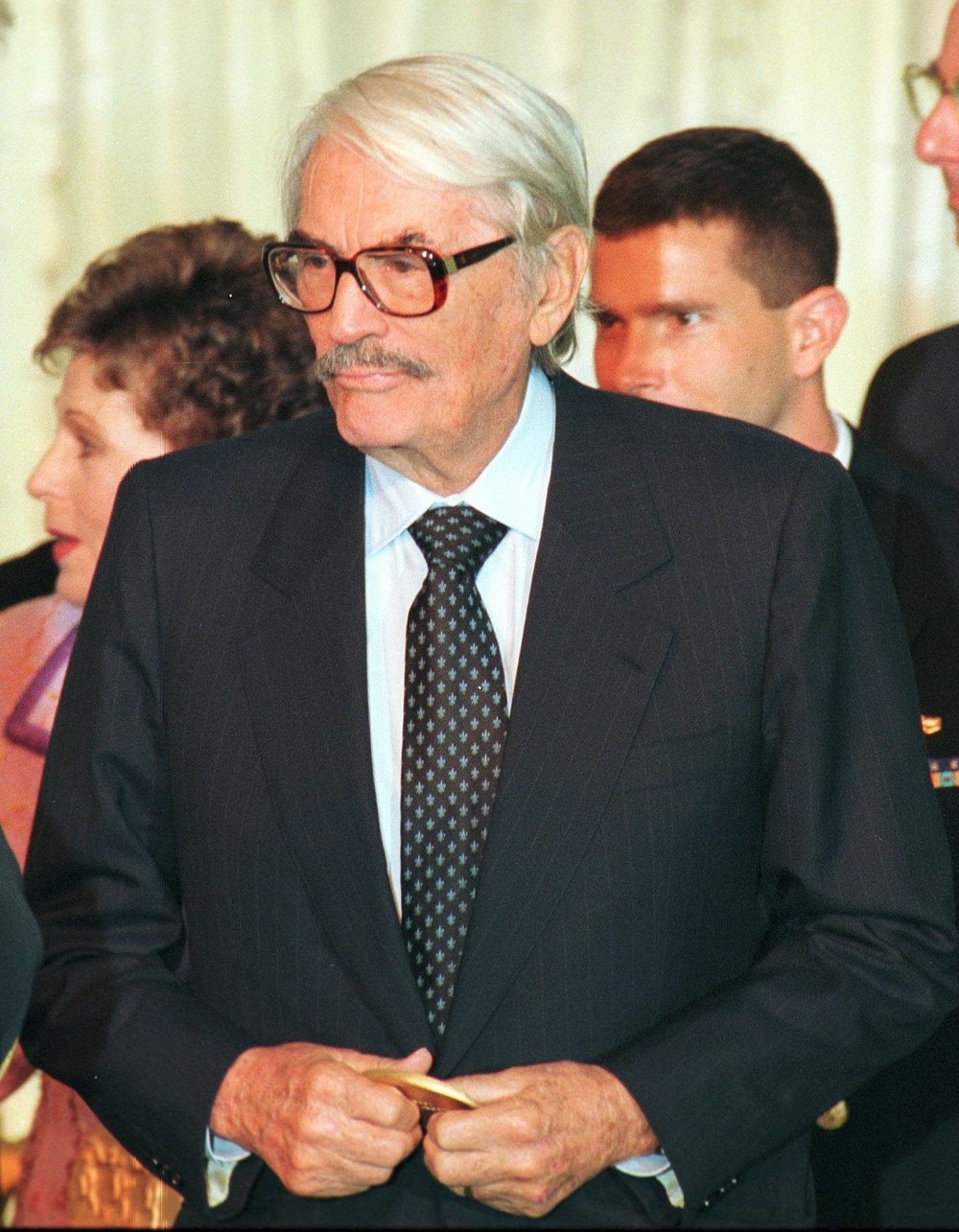
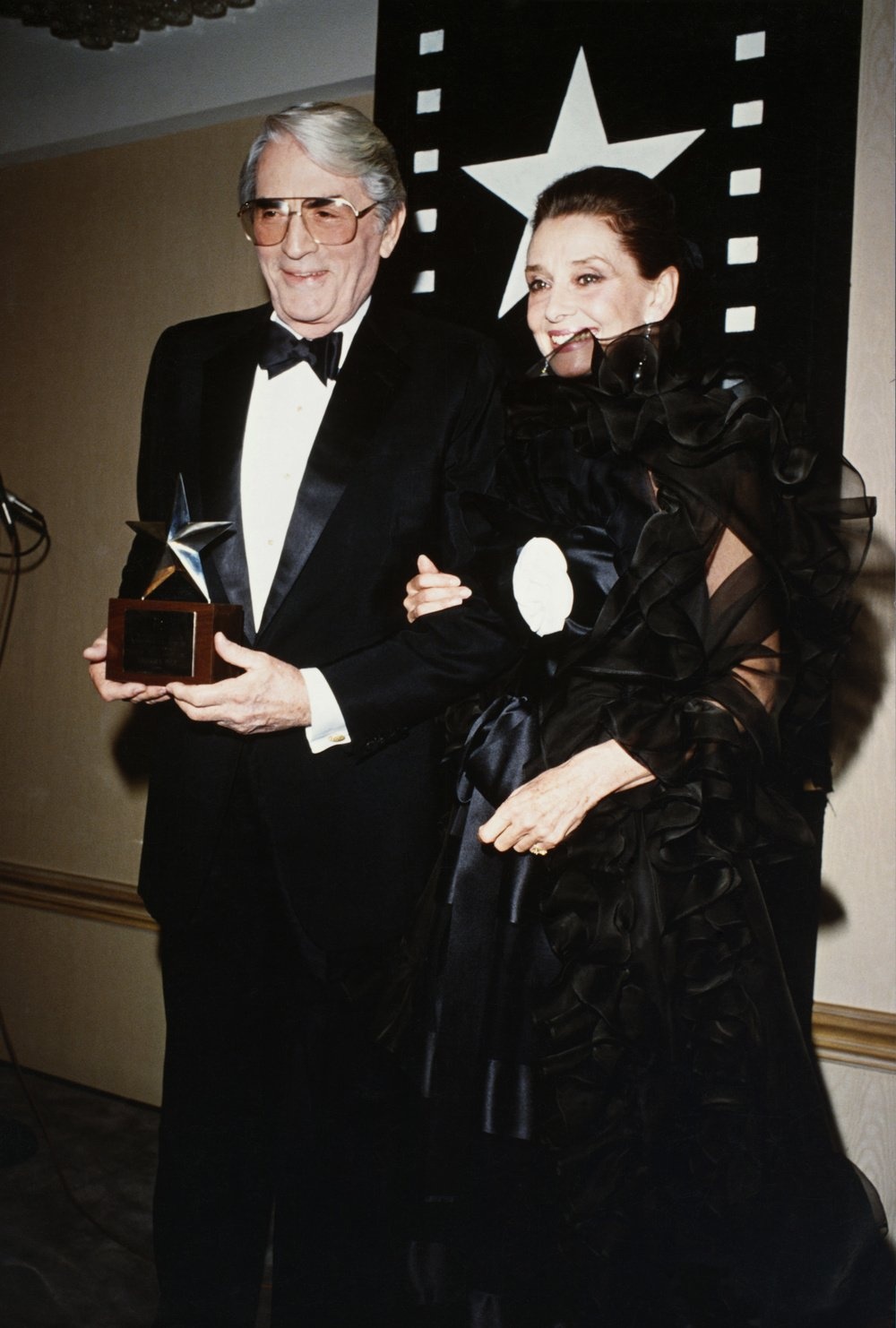
As a result of Peck’s philanthropic efforts, President Johnson decided to award him with the Presidential Medal of Freedom in 1969. This is the highest possible honor that a civilian can earn from the president in the United States. This wasn’t the only coveted award that Peck won, however, as he was also the recipient of Lifetime Achievement Awards from both the Screen Actors Guild and the American Film Institute.
Peck Was Outspoken When It Came To Politics
Whether or not you agree with his political stances, there is one fine quality about Gregory Peck that is indisputable; his undying dedication to fighting for what he believed in.

Admired by President Lyndon B. Johnson yet deemed untrustworthy by President Richard Nixon, Peck remained on the political radar following the inauguration of President Ronald Reagan. In 1987, Peck lent his voice to a television commercial opposing the nomination of Robert Bork to the U.S. Supreme Court. The commercial, sponsored by the liberal group People for the American Way, played a significant role in preventing Bork’s appointment to the Supreme Court.
Reconnecting With His Roots
Gregory Peck was one of the millions of Americans who trace their ancestral roots back to Ireland. As such, Peck became a frequent visitor to Ireland, the country from which his grandmother immigrated to America.
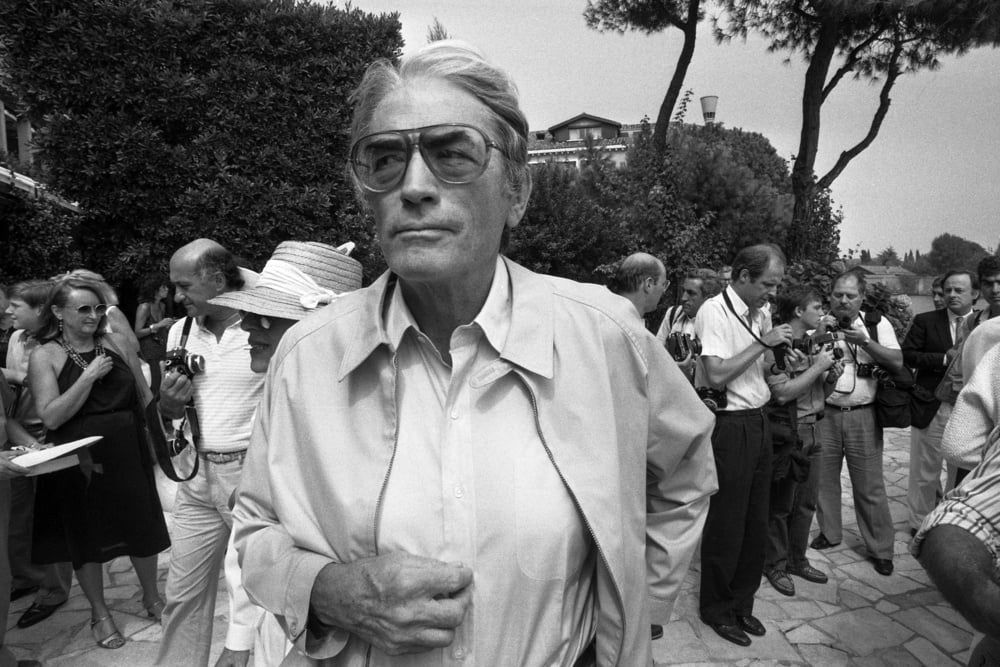
During his travels, Peck decided to show Irish film students the same generosity that he had shown to his American colleagues by establishing scholarships at an Irish film school. He also enjoyed family reunions with a number of his cousins. As a result of his contributions to Irish society, Peck was awarded an honorary doctorate in literature by the National University of Ireland in Dublin.
Narrowly Missing A Career In Politics
While Peck may have been honored by President Johnson with the Presidential Medal of Freedom, this was not the only honor that the then-US President would have bestowed on Peck had he been afforded the chance.
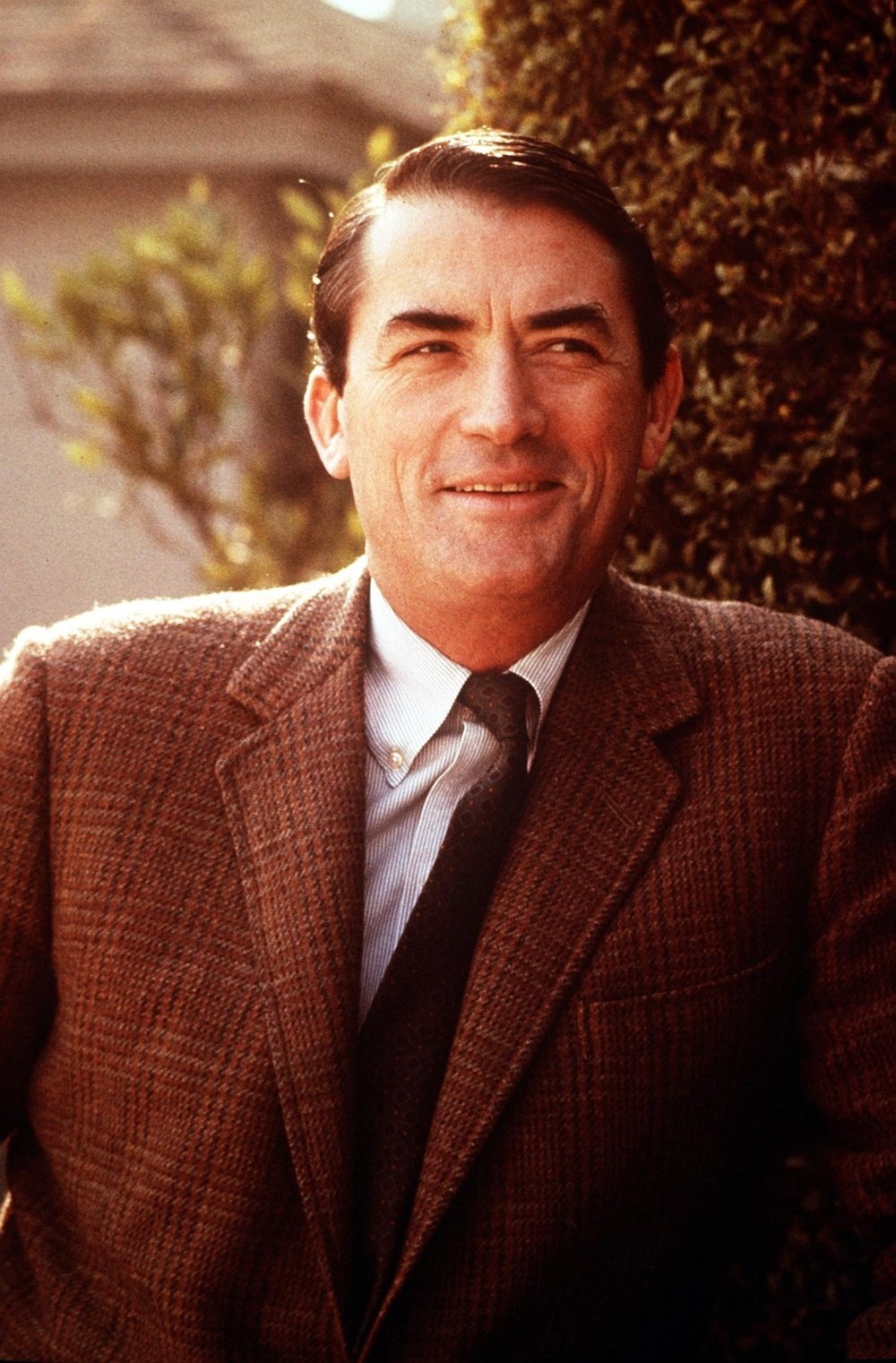
In fact, the actor was considered for the role of the US Ambassador to Ireland. Unfortunately for Peck, this opportunity never materialized as Johnson ultimately decided not to run for reelection in the 1968 Presidential Election. Peck admitted that he would have jumped at the opportunity of serving as the ambassador to Ireland had he been given the chance, stating that it “would have been a great adventure”.
Peck’s Undying Love Of Guinness
Peck was more than just your average beer enthusiast. In fact, the dark Irish stout brewed by Guinness was his drink of choice on almost any occasion.
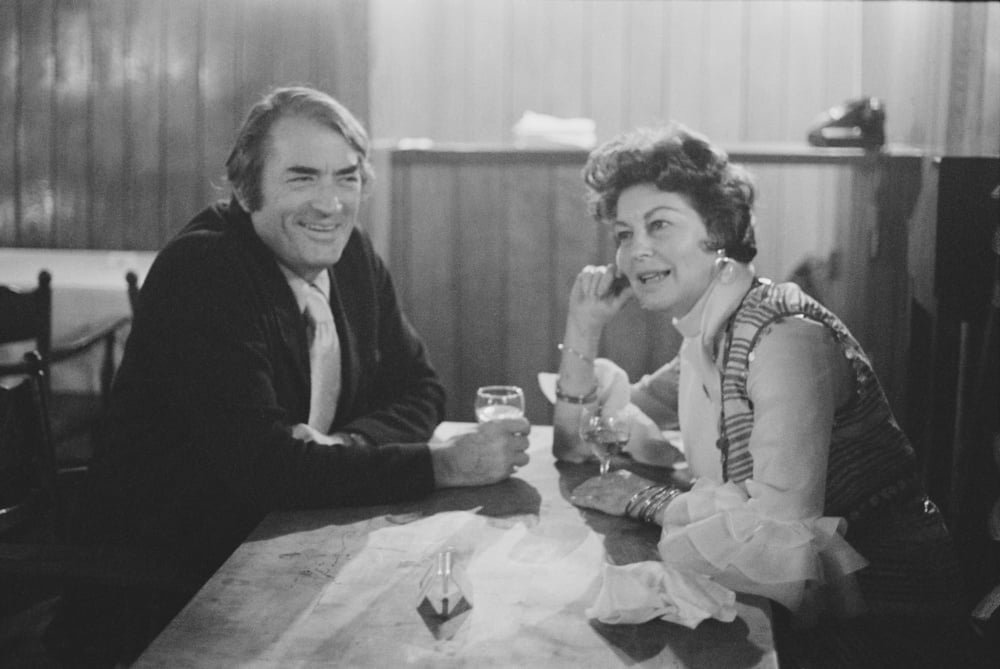
During his last trip to Ireland in 2000, his cousin Thomas Ashe recalled how Peck immediately ordered a pint of Guinness from the bar before heading over to a family reunion at the Dingle Skelligs hotel. If that wasn’t enough to prove his lifelong infatuation with Guinness beer, Peck even had a Guinness tap installed in his home so that he could enjoy his guilty pleasure whenever he liked.
To Kill A Mockingbird
While Peck is celebrated for being a versatile actor (who has received praise for a wide array of roles), probably his most emphatic performance was that of Atticus Finch in To Kill A Mockingbird.
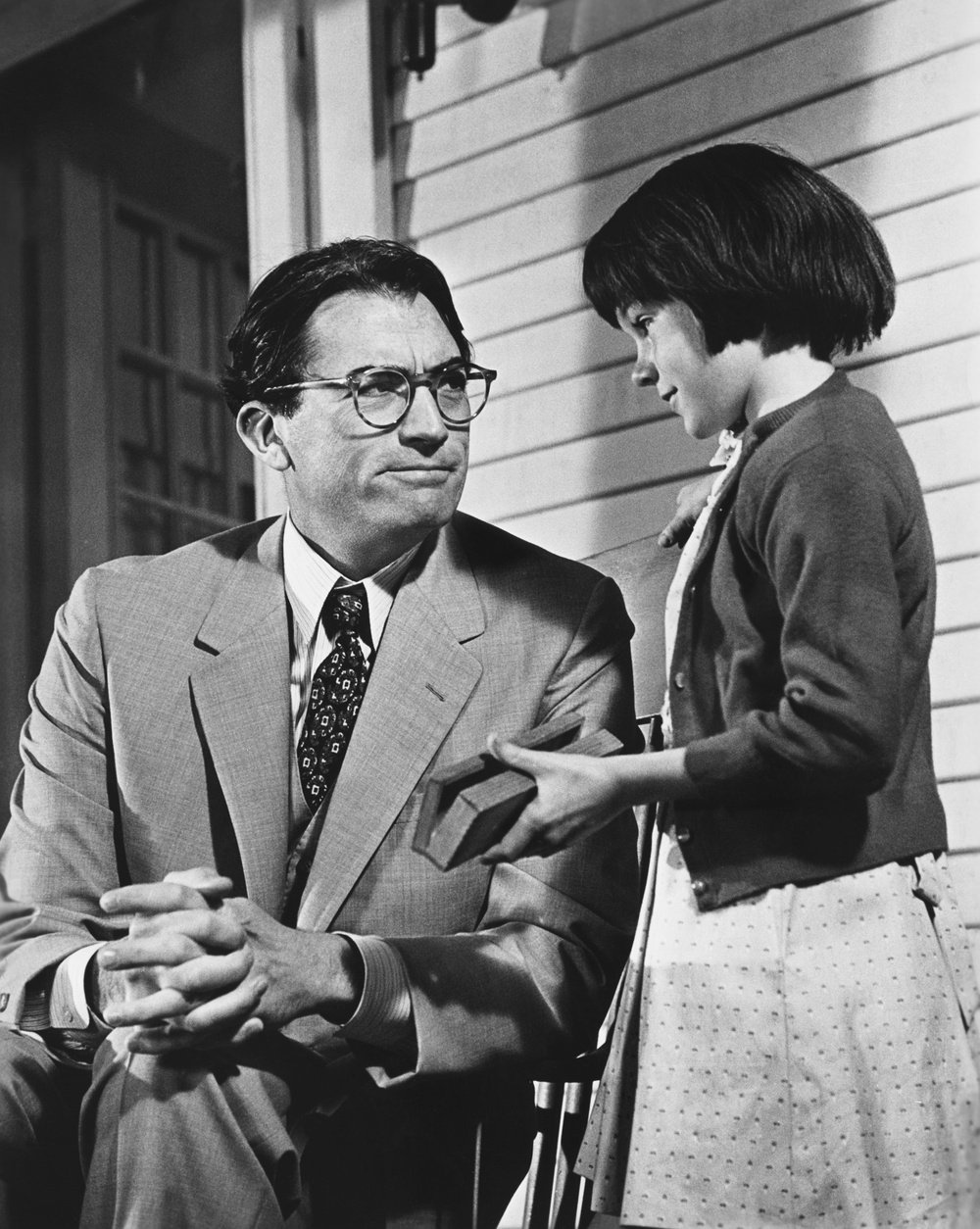
Due to his endearing performance charged by his genuine sociopolitical ideals, Peck was awarded the Academy Award for Best Actor – his sole win in five nominations. Over 40 years after his Oscar win, the American Film Institute named Peck’s character as The Greatest Film Hero of the Past 100 Years.
A Horrifying First Impression
If you thought that Gregory Peck’s earliest memory of film would be one of awe and adoration, you would be sorely mistaken. Astonishingly, it is one of horror. At the age of nine, Peck was taken by his grandmother to see The Phantom of the Opera.
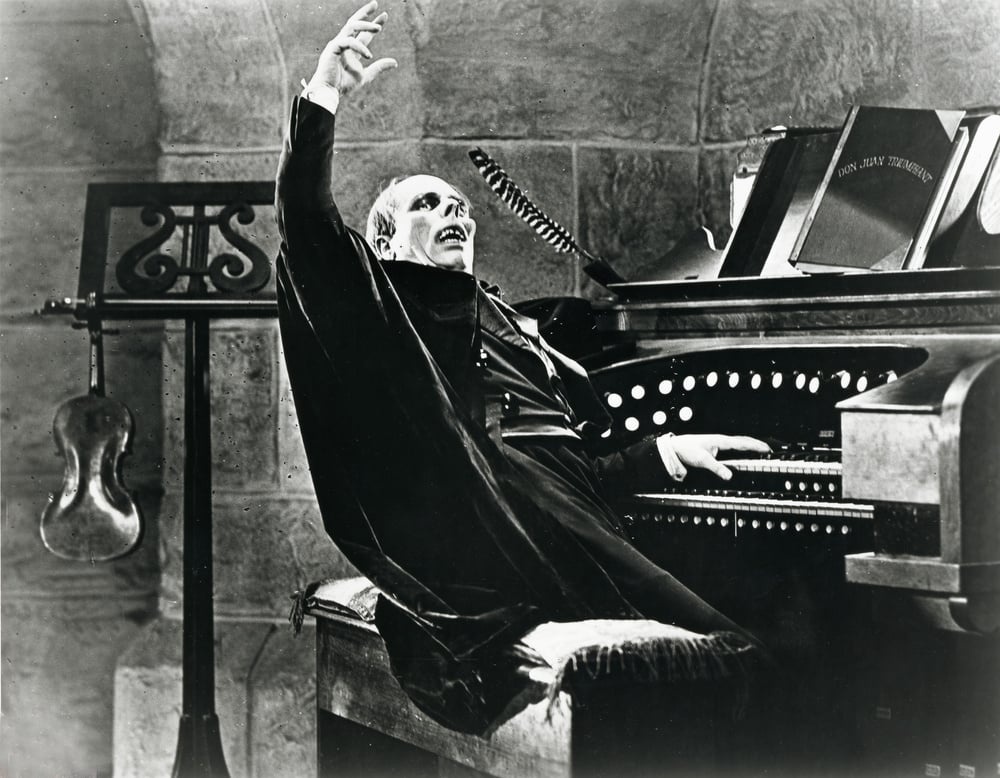
Peck explained later in life, “One night in this film a man was playing an organ in a Paris sewer, and when he turned around and looked straight into the camera, he had no face, just a mass of scars. Grandmother let out a scream, and my hair stood straight up. I haven’t got over The Phantom of the Opera yet.” Yet, the scarring memory at an early age also helped put the pursuit of his cinematic passion into motion.
An Unexpected Career Change
While Peck may have been a man of faith, becoming a priest was not his only career ambition before earning his big break in Hollywood.
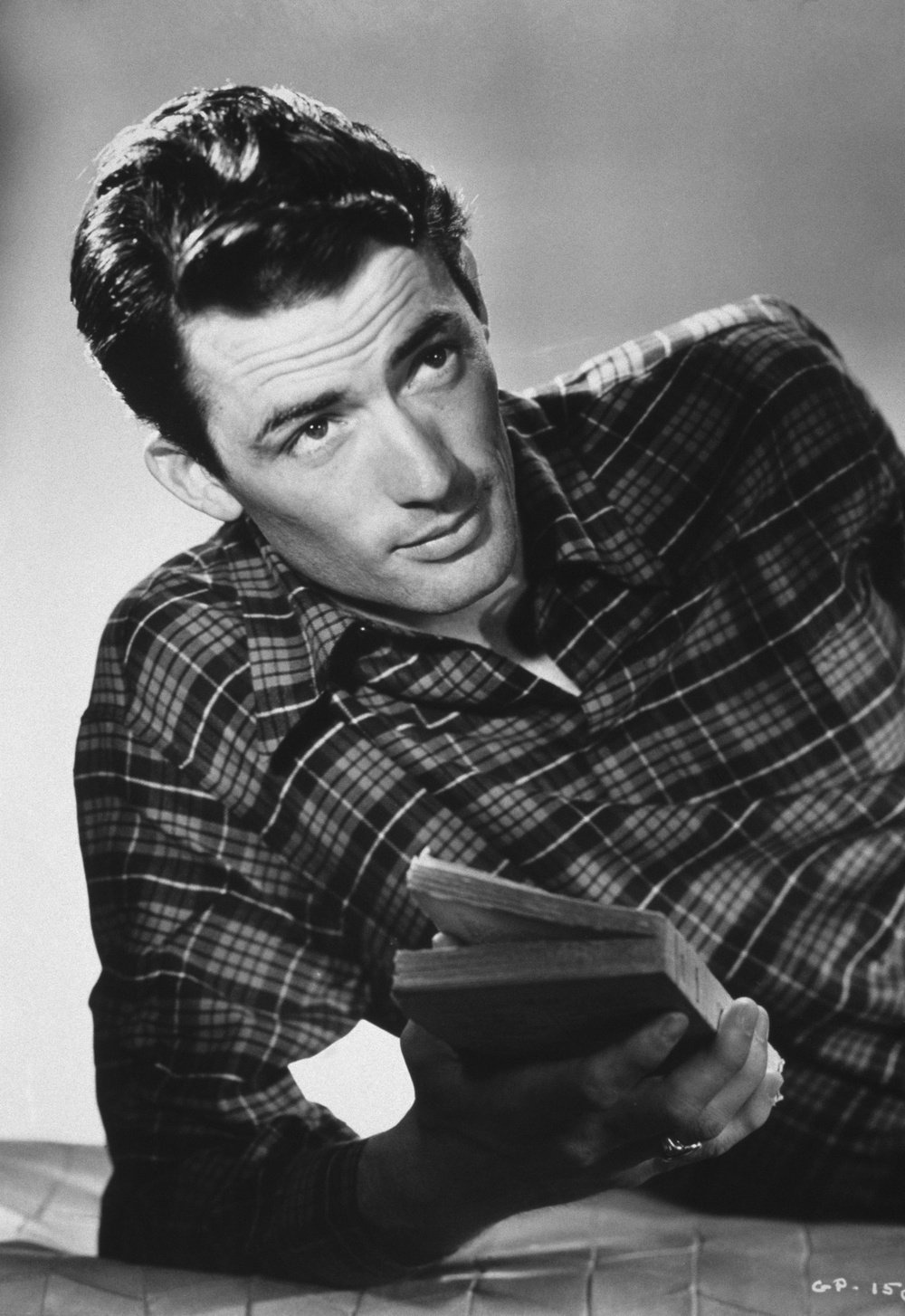
In fact, Peck once had a burning ambition to become a doctor. After high school graduation, Peck enrolled in the University of California at Berkeley where he studied medicine. During his studies, Peck realized that his passion for acting on stage was outgrowing his medical ambitions, at which point he decided to make a drastic career change. This marked the start of Peck’s journey to stardom.
Seeing Double
In 1962, Peck starred as lawyer Sam Bowden in the neo-noir psychological thriller Cape Fear. Little did he know that this film would resonate so strongly with Martin Scorsese, that the esteemed director would go on to remake the film in 1991.

While Peck and his co-star Robert Mitchum would hand the reigns over to Robert De Niro and Nick Nolte for the reboot, they still left their mark on this updated version of the film. Peck would go on to portray lawyer Lee Heller, while Mitchum would play the role of Lt. Elgart. Martin Balsam, who played Mark Dutton in the original movie, returned to portray the judge in the 1991 remake.
A Fitting Tribute
On June 12, 2003, Gregory Peck passed away in his sleep as a result of Bronchopneumonia at the age of 87. The world had truly lost an acting legend.
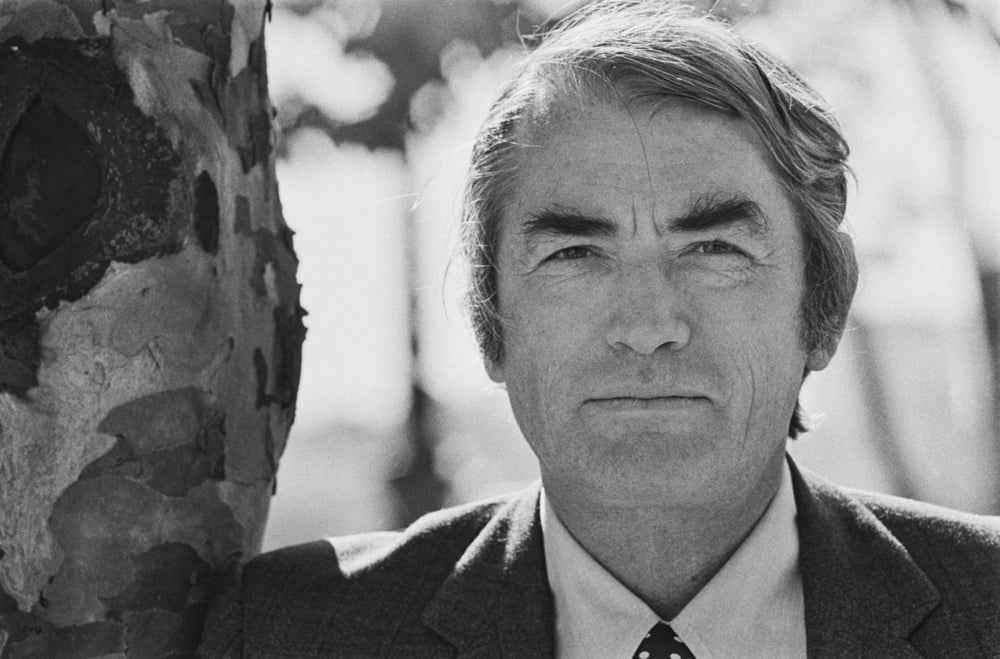
Despite the many years that had passed, Peck’s performance in To Kill A Mockingbird continued to resonate with film fans until his death. As such, it only made sense that, at his funeral, Brock Peters read his eulogy. Peters was the actor who portrayed Tom Robinson, the man who was on trial that was being defended by Peck’s character Atticus Finch.
 Knock nock
Leave a comment