

Biology is often seen as a primarily experimental science, with theory serving merely to generalize patterns from empirical data. But history reveals that theory plays a more generative role in the process of biological discovery itself.
Words by Ulkar Aghayeva
September 23, 202635 min read
Contents
“There is a mask of theory over the whole face of nature, if it be theory to infer more than we see.”
William Whewell — The Philosophy of the Inductive Sciences, Founded Upon Their History (1840)
“I have an old belief that a good observer really means a good theorist.”
Charles Darwin — Letter to H.W. Bates (22 November 1860)
Introduction
At the beginning of his famous lectures on physics, Richard Feynman describes experiment as the foundation of empirical science and shows where theory enters into scientific practice:
The test of all knowledge is experiment. Experiment is the sole judge of scientific ‘truth.’ But what is the source of knowledge? Where do the laws that are to be tested come from? Experiment, itself, helps to produce these laws, in the sense that it gives us hints. But also needed is imagination to create from these hints the great generalizations—to guess at the wonderful, simple, but very strange patterns beneath them all, and then to experiment to check again whether we have made the right guess. This imagining process is so difficult that there is a division of labor in physics: there are theoretical physicists who imagine, deduce, and guess at new laws, but do not experiment; and then there are experimental physicists who experiment, imagine, deduce, and guess.
In biology, by contrast, theory and experiments seem to be more entwined and are usually practiced by the same scientists.
And yet, in a provocatively titled 2014 article, Biology is more theoretical than physics, systems biologist Jeremy Gunawardena challenged this view about the relationship between biological theories and experiments. He made a case for a number of biological entities that were postulated – imagined – to exist theoretically long before they were discovered experimentally, in a “division of labor” similar to that described by Feynman in physics. These theorized entities include such fundamental concepts as genes, receptors, enzymes, ion channels, and tumor suppressors.
But even more impressive are the theories that predicted entire mechanisms of biological processes and deciphered fundamental principles of life itself, way ahead of their experimental demonstration. Among them are the genetic code, the chemiosmotic theory and the clonal selection theory of adaptive immunity. Some of these theories emerged untethered to experimental evidence and yet proved correct, while others were developed in a tighter feedback loop with experimental work.
Still, theoretical biology doesn’t seem to have attained the same standing and institutional support that is granted to theoretical physics, or, for that matter, other fields that study complex systems, such as economics. I’ve long wondered why this is.
A look at the history of ideas in theoretical biology offers an answer. Theoretical biology encompasses a surprising variety of subdisciplines, ranging from biosemiotics to modern systems biology. This variety is a testament to the soaring imagination of biologists in their attempts to make sense of the living world, and at the same time to their persistent desire to model biological theories on the more established and successful theories in physics.
Through this examination, it might be possible to also address the more fundamental question: can biology be as compressible and comprehensible as physics? Or are biological systems unique in their complexity in that they don’t lend themselves to compact theoretical description in the manner of physical systems? Though the ultimate answers to these questions still remain out of reach, it turns out that there are, in fact, surprising commonalities between the models that describe the behavior of both physical and biological systems.
Newsletter
Subscribe to receive essays from Asimov Press.
Deep writing on big ideas in biotechnology.
Subscribe
The Varieties of Theoretical Biology
Theoretical explanations of biological phenomena date back to the early days of natural philosophy. But the notion of theoretical biology as a distinct field of inquiry is much more recent, originating in the early 20th century. As the zoologist William A. Locy wrote in his 1908 book, Biology and Its Makers:
In the rise of biology the facts have accumulated constantly, through observation and experiment, but the general truths have emerged slowly and periodically, whenever there has been granted to some mind an insight into the meanings of the facts. The detached facts are sometimes tedious, the interpretations always interesting.
Some of the earliest theories in biology persisted for centuries until they were refuted or subsumed into more modern theories. For one, the theory of spontaneous generation posited the emergence of living things like fleas, maggots and frogs out of non-living matter like mud or decaying meat. It was first fully articulated by Aristotle in his History of Animals, based on the works of earlier Greek natural philosophers. The long debates over spontaneous generation were finally resolved by the simple but ingenious experiments of Louis Pasteur in the early 1860s that decisively ruled out this theory.
Sometimes, overturned theories live on—albeit in a modified form—within modern biology. The two contending views on embryonic development, known as epigenesis (dating back to Aristotle’s Generation of Animals) and preformationism (espoused by the 17-18th century anatomists and microscopists), differed on whether the embryo develops gradually from unformed material or has fully pre-formed parts, coming from the egg or the sperm, that grow into an adult organism. We now know that development is, indeed, partly specified in advance and partly emergent through cellular interactions, so in a sense both competing theories have been incorporated into modern embryology, though as such they remain only a matter of historical interest.
Early theories in biology were often formulated as verbal descriptions of the inner workings of a living organism. But gradually, biology started reorganizing itself around mathematical methods, following the Kantian principle that “in every discipline of natural sciences there is present only so much real science as there is mathematics.”1
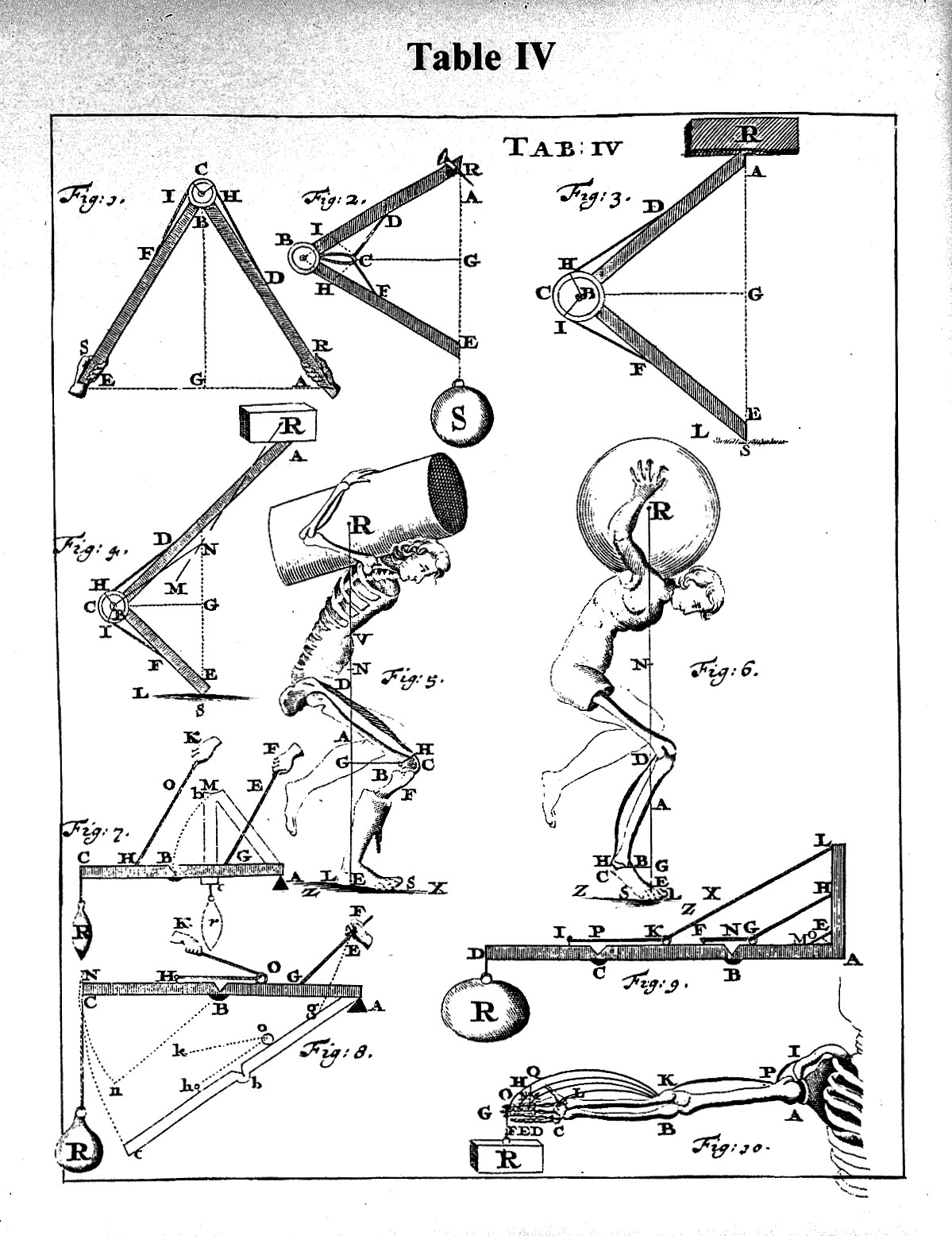
By 1680, the Italian mathematician Giovanni Alphonso Borelli introduced the earliest work of biomechanics, De Motu Animalium (“On Animal Motion”).2 Published just seven years before Newton’s Principia Mathematica, it relies on geometry and Galilean static mechanics to explain limb movements in humans and animals, including running, jumping, swimming, and flying. Borelli also applied his mechanical approach to basic physiological processes such as breathing, heartbeat, blood circulation, and liver function. His book can be regarded as the earliest formal work in theoretical biology.
A direct descendant of Borelli’s line of investigation is D’Arcy Wentworth Thompson’s On Growth and Form, published in 1917.3 In it, the Scottish biologist and mathematician argues that biological form is a consequence of physical processes, such as crystallization, adsorption and diffusion, and of mechanical forces that constrain the evolution of organismal morphology. Needless to say, evolutionary theory itself (1859) was a major feat of theoretical biology and one of the most generative theoretical contributions in all of science.
To study physical constraints on biological systems, Thompson wrote, one has to make extensive use of mathematical and physical methods, the way Borelli did for the mechanics of motion:
Cell and tissue, shell and bone, leaf and flower, are so many portions of matter, and it is in obedience to the laws of physics that their particles have been moved, moulded and conformed. They are no exception to the rule that Θεὸς ἀεὶ γεωμετρεῖ (‘God always does geometry’). Their problems of form are in the first instance mathematical problems, and their problems of growth are essentially physical problems; and the morphologist is, ipso facto, a student of physical science.
Thompson applied this vision to entire organisms, devising a geometric method where a Cartesian coordinate grid is projected onto an organ (or a whole organism) and then undergoes a geometric transformation, such as compression or dilation, to produce the body shape of another related species. In this way, a porcupine fish can be transformed into a sunfish:
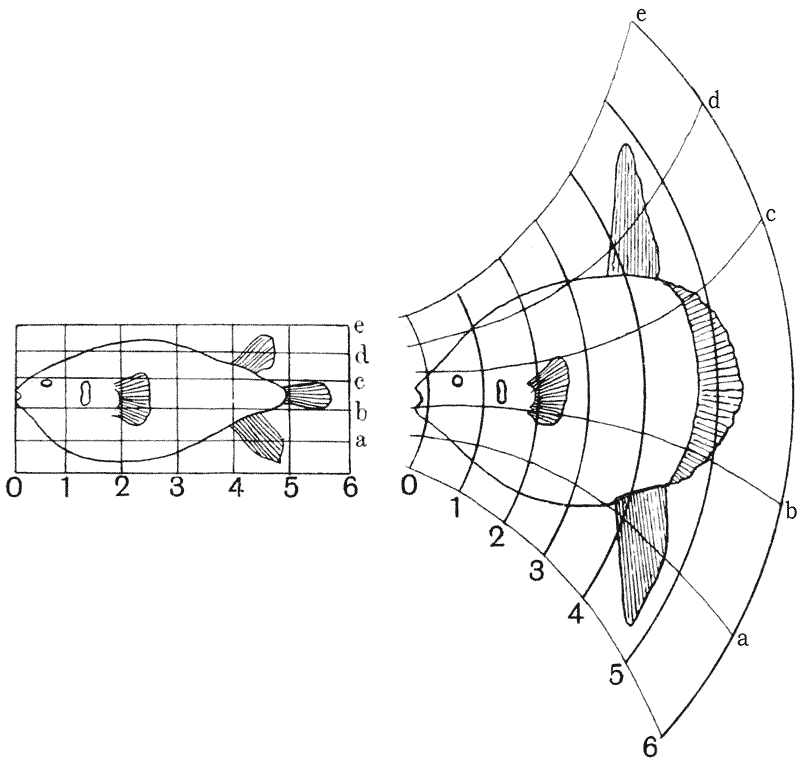
Admittedly, On Growth and Form was still largely descriptive, without providing a mechanistic understanding of the generative processes behind the development and morphological variety of organisms. But the book was influential and inspired more rigorous research in embryology, including discovery of morphogens and tissue patterning.
In the early 20th century, theoretical biology emerged as a distinct and a more self-aware field of research. German and Eastern European scientists in particular approached it with high ambitions, inspired by the success of theoretical physics in compressing and generalizing physical phenomena into natural laws.
They used the term “theoretical biology” to describe a range of newly emerging disciplines: philosophy of biology, general theories of living matter and physico-chemical foundations of life, attempts to mathematicize biology (especially in ecology and population genetics), and later systems theory and cybernetics. Some of these theories were developed by biologists themselves while others owe their origin to an influx of philosophers, physicists and mathematicians into biology.
Among German biologists, theoretical biology was initially associated with philosophy of nature, epistemology, and metaphysics rather than with formulation of scientific hypotheses and theories. The botanist Johannes Reinke, who coined the term “theoretical biology” in 1901 to differentiate it from “empirical biology,” was himself a proponent of the revived philosophy of neo-vitalism.4 Jakob Johann von Uexküll’s Theoretical Biology, published in 1920, was to a large extent also a philosophical work.
Best known for introducing the notion of Umwelt,5 Uexküll was one of the pioneers of the field of biosemiotics6 which studies communication within and between living organisms in terms of signs and codes conveying distinct interpretable meanings—a synthesis of biology, philosophy and linguistics.
Biosemiotics emphasizes that an organism doesn’t respond indiscriminately to the physical world, since only certain signals from its environment have biological significance for it. For each species, there is a range of wavelengths of light, frequencies of sound, odors and tastes that are relevant and meaningful to it and that it can interpret and respond to. This was a major theoretical innovation in how it is possible to build a scientific understanding of life from a very general, meaning-making, perspective.
In parallel to the emergence of general philosophical and physical theories of living matter, several new disciplines within biology started to heavily borrow mathematical methods to describe and solve biological problems. These are mathematical biophysics, biometrics, population ecology and population genetics.
In 1938, a Russian émigré, Nicholas Rashevsky published his major work, Mathematical Biophysics: Physicomathematical Foundations of Biology, at the University of Chicago.7 His goal was to lay out “a mathematical biology which would stand in the same relation to experimental biology as mathematical physics stands to experimental physics.” Rashevsky advocated for
… a certain autonomy of the mathematical natural sciences, which must develop in agreement with the results of experimental research but should not be made mere handmaidens of the experimentalist. A theoretical problem may have an interest of its own, and should not be tabooed only because at present it does not appear applicable to a definite experiment. The history of physics shows how frequently such ‘purely theoretical’ developments led, a few decades later, to the most astonishing practical results.
This way, he could distinguish his new field from previous attempts to build non-quantitative, narrative theoretical biology.
Rashevsky came up with one of the first models of the neuron that was able to recapitulate the all-or-none character of neuronal firing known from experiments. He also noted that networks of these neurons could produce complex behavior and even serve as a model of the brain. However, a lot of his other research endeavors were ultimately highly abstract and formal and had little contact with experiment, which earned him mixed reactions or outright rejection from contemporary experimental physiologists.8
But perhaps Rachevsky’s longest-lasting contribution to theoretical biology was in fact administrative: he founded the first journal of mathematical biology and the first PhD granting program in mathematical biology at the University of Chicago. Established in 1939, The Bulletin of Mathematical Biophysics9 is still an active publication.
One of the most remarkable papers published in this journal in 1943 was first to develop the logical theory of neuronal activity. Its authors, Warren McCulloch and Walter Pitts, showed that networks of simple neurons with all-or-none behavior could be treated as logical circuits that could carry out complex computations. The paper laid the foundations of computational neuroscience, another branch of theoretical biology. Later, John von Neumann used the McCulloch-Pitts model as the basis for the logical design of digital computers.
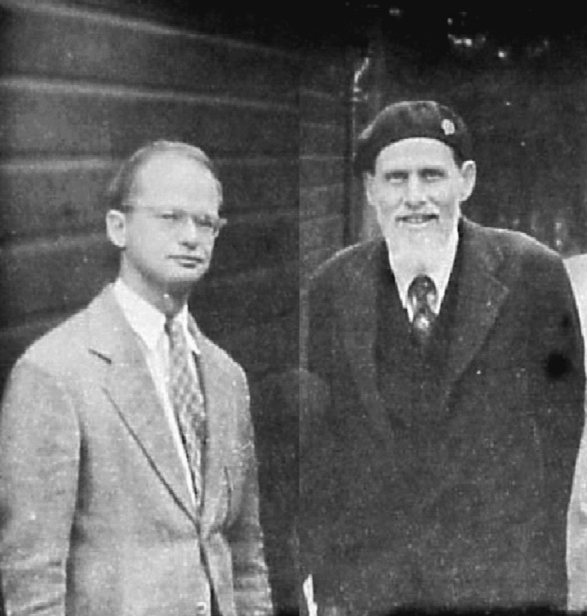
Rashevsky’s mathematical biophysics was mostly concerned with microscopic biological processes within living organisms, such as cell division and nerve conduction. In contrast, the Polish-American physical chemist Alfred J. Lotka focused on macroscopic population-level phenomena and developed his own version of a biological “theory of everything.” His Elements of Physical Biology from 1924 was “almost cosmological in scope,” seeking to derive general laws of chemical dynamics of structured systems and the interactions between living organisms in terms of energy and matter. Lotka saw evolution as an unfolding, irreversible transformation of the universe, and life itself as a large-scale chemical process.
Today, Lotka is mostly remembered for a set of differential equations describing the population dynamics of two interacting species, a predator and its prey.10 These equations were also independently derived by the Italian mathematician and physicist Vito Volterra. The Lotka-Volterra equations have since been used as a staple mathematical tool in population ecology. Though based on idealizations and simplifying assumptions,11 these equations can nonetheless reflect observed fluctuations in the population dynamics of real-world animal species and even beyond biology, such as in economic scenarios.
Lotka-Volterra equations model predator-prey dynamics
A simple model of reproduction, feeding, and death (first derived in 1920) leads to alternating waves of predator–prey population levels.
━ Prey (algae)━ Predators (rotifers)
Experiment
Rotifers (predator) and algae (prey) were mixed together in a chemostat for about a year. Their population levels were measured daily. The chart below shows just two weeks of data from this experiment, stretching from days 114–128. Note how the populations of prey and predators oscillate up and down.050100115120125Day of experiment~1 day~1 day
Lotka-Volterra Equations
A simulation of the original equations; not fitted to the experimental data.0501000510Model time (arbitrary units)Later peak
dN/dt = αN − βNP
Prey = reproduction − losses to predators
dP/dt = δNP − γP
Predator = growth from feeding − deaths
N = prey abundance; P = predator abundance; t = time. dN/dt and dP/dt are their rates of change. α = prey reproduction rate; β = predation coefficient; δ = predator growth coefficient from feeding; γ = predator death rate.
Notes: Absolute abundances and time scales can’t be compared across panels. This particular experiment was performed with Brachionus calyciflorus, the rotifer, and Monoraphidium minutum, the algae. The chemostat was kept at 23°C under continuous light with continuous, freshly-supplied nutrients.
Source: Blasius et al., Nature (2020)
Both Lotka and Volterra were motivated to understand population dynamics in agriculture and fisheries. Despite the differences of their approach,12 they pursued the same overarching goal, which was
to show that theoretical, mathematical approaches had a place in biology … that theory could guide experiment and research, and that it was not worth waiting until all the facts were in before engaging in speculation with the help of mathematical models.
But perhaps the biggest success story in applying mathematical methods in theoretical biology was in population genetics, established as a discipline by J. B. S. Haldane, Ronald A. Fisher and Sewall Wright. Together, the three men developed the modern synthesis of Darwinian evolution and Mendelian genetics, reconciling natural selection with the laws of heredity.13
J. B. S. Haldane, aside from population genetics, was also the first to realize the theoretical possibility of and experimentally demonstrate genetic linkage in mammals. He proposed the now famous “primordial soup” hypothesis of the origins of life.14 He even authored the modern formulation of the Michaelis-Menten equations of enzyme kinetics.
Haldane was also first to note a link between malaria and the prevalence of genetic blood disorders in tropical regions. In 1948, he hypothesized that certain genetic diseases, when inherited in the heterozygous state, could be protective against malarial infections by deforming red blood cells and making them inhospitable for the malaria parasite. The hypothesis was empirically validated in 1954.
Haldane’s prescient theoretical thinking across many fields of biology goes on to show, once again, that mechanistic theories have preceded many of the major biological discoveries, rather than arriving later as explanations of already known empirical facts.
This is true of all sciences, but it especially struck me while researching the history of theoretical biology that each of its new branches invented its own language to make sense of biological phenomena: biosemiotics speaks in terms of biological signs and meanings, while the abstractions of population genetics are at the level of allele frequencies and fitness landscapes. Cybernetics, too, introduced an idiosyncratic vocabulary to describe organism-level regulation in the most general terms, which also apply to systems beyond biology.
The roots of cybernetic ideas can be traced to Walter Cannon who coined the term “homeostasis” in 1926,15 referring to the ability of an organism to maintain its healthy physiological state in the face of environmental perturbations. In the language of cybernetics, homeostatic regulation can be expressed as a problem of feedback—taking into account the information about the difference between the current and the target state of the organism and using it to move closer to the desired state.
In 1943, the father of cybernetics, Norbert Wiener,16 coauthored a landmark paper with the physiologist Arturo Rosenblueth and engineer Julian Bigelow, titled Behavior, Purpose and Teleology. They argued that both machines and organisms could be studied from a behaviorist perspective, using the same functional concepts of feedback, control, and communication. This means analyzing the inputs (changes in the environment that affect the system) and outputs (changes exerted by the system in the outside world) while disregarding internal processes within the system. Purposeful, goal-directed behavior of organisms can thus be explained in terms of deviations from a target state that are fed back into the organism to reduce those deviations, creating a circular causal relationship.
The field of cybernetics was conceived as inherently interdisciplinary, drawing from physics and engineering as much as from biology, and later sociology and economics. In a sense, cybernetic principles are substrate-independent, since the same abstract feedback relations could characterize a thermostat, an animal, or a human society.
Cybernetics gave birth to new theories and whole fields, including the famous “good regulator theorem,”17 perceptual control theory, modern theories of self-organization, and complexity science18—all direct or indirect contributions to theoretical biology.
Another intellectual descendant of cybernetics is systems biology, though it also traces its origins to several other theoretical forebears, including Ludwig von Bertalanffy’s General System Theory. GST argued that biological phenomena are to be understood in terms of organization and relations among parts rather than through the properties of isolated components. This principle later grew into the “central dogma” of systems biology: that “it is system dynamics that gives rise to the functioning and function of cells.”
In 1968, Serbian systems engineering scientist Mihajlo Mesarović published an essay, Systems Theory and Biology—View of a Theoretician,19 discussing the application of engineering techniques to biological problems and a search for “general biological laws which govern the behavior and evolution of living matter in a way analogous to the relation of the physical laws and non-living matter.” This is reminiscent of the earlier work of Nicholas Rashevsky, but this time around Mesarović’s proposal launched a new research program that became the modern discipline of systems biology.
A parallel stream of ideas that fed into systems biology, also starting in the late 1960s, was in the mathematical modeling of biochemical reactions and of gene regulatory networks.20
Finally, the genomic revolution of the 1990s and early 2000s transformed systems biology into an empirical science, by making systemic measurements of biomolecules possible. The new “omics” fields like genomics, transcriptomics and proteomics, followed by single-cell methods, generated enormous amounts of structural and functional molecular data at previously unattainable scales.
Taken together, these fields are sometimes referred to as “pragmatic systems biology”, in contrast to “systems-theoretic biology,” which is concerned with general principles of biological organization. Another way to articulate this distinction is “data without models” versus “models without data,” pointing at the disconnect between the data deluge and the theoretical frameworks that could make sense of it.
In contrast to the concise mechanistic explanatory theories of earlier days, there’s now a rich tradition of computational modeling that aims to predict the behavior of biological systems based on large datasets of experimentally measured microscopic parameters. But it has remained challenging for these modeling methods to discern simpler patterns, if they exist, within the data, that would amount to a theoretical understanding of biological systems.
This state of affairs prompted me to ask several further questions: what does, indeed, theoretical understanding in biology mean, given our access to increasingly comprehensive quantitative characterization of biological systems? Is it a faithful reconstruction of all their component interactions, or an account of the causal mechanisms producing their collective behavior, or a more general set of organizational principles from which such mechanisms could be derived? Or is simply being able to accurately predict these behaviors enough? How different is theory building in contemporary biology compared to physics? These questions will reappear later, but it is worth pondering what the more recent introduction of artificial intelligence models adds to theoretical biology.
The expanding use of AI models in biology sharpens the separation between modeling prediction and theoretical explanation even further. AlphaFold2 demonstrated the ability of foundational models to predict protein structures with high accuracy without relying on a mechanistic theory of protein folding. Similar approaches are now being developed for genomes, gene expression patterns, and single-cell multi-omics. Increasingly complex biological behaviors seem to yield to prediction from learned statistical representations rather than from theories constructed explicitly in terms of mechanisms or general principles. Still, sometimes sophisticated foundation models fail to outperform far simpler statistical models. The models are surely learning something about the biological systems they are trained on, but how much that constitutes theoretical understanding and how it can be made intelligible to human scientists remains an open question.
Epistemic Cultures
The history of theoretical biology has abundantly shown that theory building in biology has been at least as fertile and consequential in the process of discovery as in physics. Yet, the institutional standing of theoretical biology has arguably lagged behind that of theoretical physics. This was noted already decades ago by the British developmental biologist Conrad Hal Waddington, who wrote in a 1968 paper titled Towards a Theoretical Biology:
Theoretical physics is a well recognized discipline, and there are departments and professorships devoted to the subject in many universities. Moreover, it is widely accepted that theories of the nature of the physical universe have profound consequences for problems of general philosophy. In contrast to this situation, theoretical biology can hardly be said to exist as an academic discipline. There is even little agreement as to what topics it should deal with, or in what manner it should proceed.
I find it remarkable that this was said at a time when theoretical biology had already developed multiple productive branches of inquiry, from population genetics to computational neuroscience. But its institutional presence was still scattered within primarily experimental labs, and rarely manifested itself as independent standalone institutions, such as Nicholas Rashevsky’s short-lived mathematical biophysics program at the University of Chicago.21
Waddington himself was a member of the Theoretical Biology Club at Cambridge University (also known as “Biotheoretical Gathering”) that flourished in the 1930s.22 The Club, founded by embryologist Joseph Needham and philosopher of science Joseph Woodger, was sympathetic to an organicist philosophy that stood in contrast to the reductionism prevalent in natural sciences at the time. They followed a “third way” between vitalism and reductionism, focusing on morphogenesis and hierarchical levels of biological organization. Arguably, epigenetics as a field also traces its origins to these gatherings. However, it is telling that the Club disbanded when the Rockefeller Foundation refused to fund their research (the same grantmaking organization that can be credited with starting the field of molecular biology and that was generally invested in the “technology transfer” from physical sciences into biology).23
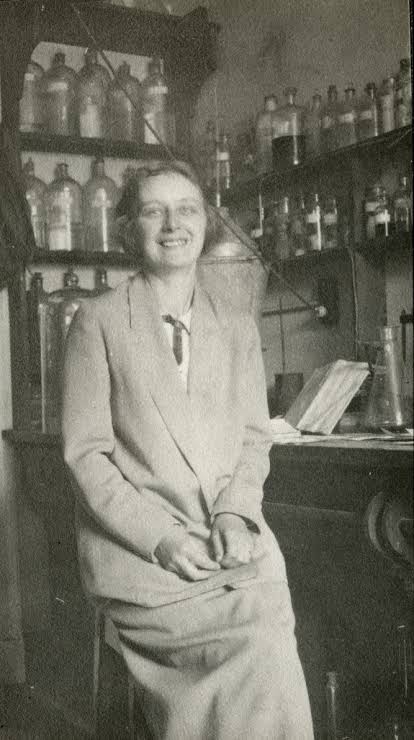
Purely theoretical work in biology has generally been harder to secure funding for than experimental research. But theoretical biology has historically spanned a broad territory, from what we now refer to as a philosophy of biology all the way to mathematical modeling of biological systems.
Even though theoretical biology as such does not carry the lofty connotations of theoretical physics, its successful instantiations have individuated into distinct fields that go hand in hand with experimental work, like population genetics, population ecology, evolutionary game theory, computational neuroscience, systems biology, and bioinformatics, often housed at dedicated university departments. So the scattered presence of theoretical biology in research organizations is a consequence of its development in tight connection with experimental work, often by the same scientists. And despite being fractured in this way, theoretical biology is in fact a flourishing multitude of fields of research.
Theoretical physics, on the other hand, has retained its distinct identity, relative independence, and institutional prominence for many decades.
Now, a useful distinction can also be made between theoretical biology, considered as a whole, and theoretical physics, in that they make up different epistemic cultures.24 These cultures are defined by the entire process of discovery and knowledge generation in each field of inquiry, including the nature of that knowledge and its representation.25
Arguably, biology faces a greater difficulty in compressing its empirical data into theories compared to physics. There’s only one kind of electron, and what applies to one, applies to all, making them fundamentally interchangeable. But biological cells and organisms are products of individual developmental and evolutionary histories and are interchangeable only up to a limit.
Sweeping generalizations in biology are harder to justify, and almost every rule has a known exception. Of course, unique biological entities can in principle be handled statistically, and cells can usually be categorized by cell type, and organisms by their species. But biological variation can itself be irreducible and causally meaningful, rather than behave merely as noise around an ideal theorized parameter value. This represents a major theoretical challenge in biology.
Thus there is a sense in which theories in physics and in biology might point to different kinds of epistemic constructs. In physics, to explain a phenomenon theoretically normally means to subsume it under a natural law—a robust and general statement about the (inanimate) world. In contrast, theoretical explanations in biology usually take the shape of a descriptive mechanism and do not appeal to universal laws. Some doubt that natural laws are possible in biology at all, as biological phenomena are historically contingent, being the products of evolution (the evolutionary contingency thesis).26 Though to this one might retort, aren’t laws of physics and chemistry themselves cosmologically contingent, the way biological laws and mechanisms are evolutionarily so?
Philosophers of science have long pondered whether biological phenomena can be fully reduced to physical ones. Waddington wrote that no conceptualization of a living system is complete “unless it includes at least four importantly different time scales, those of metabolism, development, heredity and evolution.” Mendelian genetics comes perhaps closest to a law in biology, being a mathematically mature discipline. However, fundamental exceptions to Mendelian laws are well-documented. Another theory that imposes a kind of general law-like logic onto the living world is, of course, the evolutionary theory and the principle of natural selection.
But most research in biology is a quest for specific context-dependent mechanisms rather than all-encompassing, unifying laws. Such mechanisms describe a biological process or a structure with defined functions and how its components operate and relate to each other, such as the Krebs cycle or physiological homeostatic feedback loops, or gene regulation circuits. Many biological mechanisms are expressed as verbal descriptions or diagrams, rarely accompanied by equations or other kinds of mathematical formalism, unlike most physical theories.
There is also, in biology, the problem of parameters. From a physicist’s point of view, when trying to model a biological system, the number of parameters that needs to be accounted for can be daunting, whether they are genetic or biochemical and subject to change on evolutionary or physiological time scales. Such a state of affairs is rather “unsettling for a theoretical physicist,” as William Bialek of Princeton University notes:
Our most complete theories of the natural world certainly have parameters, but there is a sense that if we are focused too much on these parameters then we are doing something wrong. If parameters proliferate, we take this as a sign that we are missing some additional level of unification that could relate these many parameters to one another; if our qualitative explanation of phenomena hinges on precise quantitative adjustment of parameters, then we search for the hidden dynamics that could make this apparent fine tuning happen more naturally.27
Indeed, in modern physics, some of the most beautiful fundamental theories are nearly parameter-free. They are effective not because nature is itself simple but because, as it turns out, most of its complexity is causally irrelevant and can be done away with for the purposes of both theoretical understanding and prediction.
This is illustrated well by the renormalization group, a theory that relates changes happening in physical systems at different length or energy scales. If we zoom out to larger and larger scales, the microscopic details of the smaller scales largely cease to matter, and it is possible to make universal, coarse-grained predictions about a system’s macrostates, free from its microscopic parameters. Only a few of them, such as critical temperature or proton mass, contribute to macroscopic or observable behaviors, such as phase transitions, while the remaining parameters can be safely ignored.
The renormalization group thus provides a powerful theoretical compression by showing that enormous amounts of microscopic detail are irrelevant at larger scales. This also means that completely different microscopic systems can in principle share the same large-scale behavior. For example, systems made of very different materials can display identical scaling behavior near a critical point provided they belong to the same “universality class,” whether it is a ferromagnet near its Curie temperature or a liquid near its boiling temperature.
In a way, the renormalization group resembles the argument made by American physicist Philip Anderson in his famous 1972 article More is Different: that higher levels of organization have their own emergent concepts and laws that don’t automatically follow from those at lower levels. Biology, with its nested levels of organization from molecules to cells to organisms and populations, is a prime domain in which Anderson’s general argument holds. But unlike in physics, it is not clear whether an equivalent of the renormalization group applies in the living world.
Is it possible to reconcile the elegance and parameter parsimony of theoretical physics with the explosion of parameters in realistic models of biological systems? Bialek considers several possibilities:
First, it could be that biological systems are really so complex that they must be described by models with an irreducibly large number of parameters, each contributing to their behavior. This is perhaps the most pessimistic view if one hopes to come up with effective theories that advance our understanding of biological phenomena, and not just our ability to predict their behavior with black-box models.28
Alternatively, it could be that the behavior of a biological system is largely robust to variations in parameter values, rendering accounting for most parameters inconsequential and their exact measurement unnecessary.
A third possibility is that evolutionary forces have driven biological systems toward a few precise, adaptive parameter values, such as protein binding specificity or beak shape. Such evolutionary optimization can even reach limits permitted by physical laws, as seen in the sensitivity of the visual system to single photons, and in bacterial navigation of chemical gradients that can be sensitive to single molecules detected at the cell membrane.
In this case, if it is possible to identify the selection principle that brought about such evolutionary fine tuning of parameters, we could build parameter-free theories. In other worlds, knowing the selection principle would help us predict the behavior of the system without relying on specific parameters. Or the optimization itself could be used as a principle from which the underlying mechanisms could be deduced,29 not unlike the principle of least action or minimization of free energy in physics.
And, finally, it might be that something like a renormalization group applies to biological systems after all, as much as it does to the inanimate world. This would allow us to understand macroscopic behaviors of an organism largely independent from its parameter-heavy microscopic details.
As it happens, a broad range of phenomena — including biochemical reaction networks, insect flight, the eukaryotic cell cycle, and diffusion and magnetism — are well described by so-called sloppy models, whose properties have interesting implications for Bialek’s suppositions.
In such models, only a few parameter combinations are important to the observable behavior of the model, called “stiff” parameters. The rest, “sloppy” parameters, can be varied over orders of magnitude and still have a negligible impact on the system behavior, and can therefore be discarded for modeling purposes.30 This way, inside a complex or highly parameterized model, it is possible to isolate a simpler and more intelligible effective theory that explains the observed phenomena just as well.
The ubiquity of sloppiness means that even if we are not able to measure most microscopic parameters of a system, it is still possible to make good predictions about its behavior, as long as the model predictions depend on the same stiff parameters as the real-world data.31 The challenge is to identify the most relevant stiff parameters.32 In other words, how can microscopic components of a system be compressed into a few effective degrees of freedom?
This is exactly what the renormalization group in physics does, taking advantage of the scale invariance and symmetries within physical systems. But in the case of biological systems, such as biochemical or gene regulatory networks, this kind of simplification is challenging due to their inhomogeneity and lack of symmetries.33 This brings us back to evolutionary contingency and the irreducible variability of biological systems at all levels of organization. Sloppiness still applies to them but it does not seem to be enacted through an equivalent of a renormalization group that makes physical models so elegant.
And so, it appears that high-dimensional models often possess low-dimensional predictive structure. What is becoming clear through recent research is that the underlying reasons for such compressibility may be system-dependent. Low-dimensionality can arise because of functional robustness—the insensitivity of the system behavior to parameter variation over a broad range of parameter values. It can also emerge through the independence of specifically higher-level behavior from lower-level parameters, as in coarse-graining of the renormalization group. Low-dimensionality can even be a result of evolutionary optimization.
William Bialek has most recently been pursuing the optimization program as a path toward building elegant theories for biological systems, and it turns out that his program and the sloppiness research have converged. Bialek’s group discovered that even the landscape of optimization itself is characterized by sloppiness:
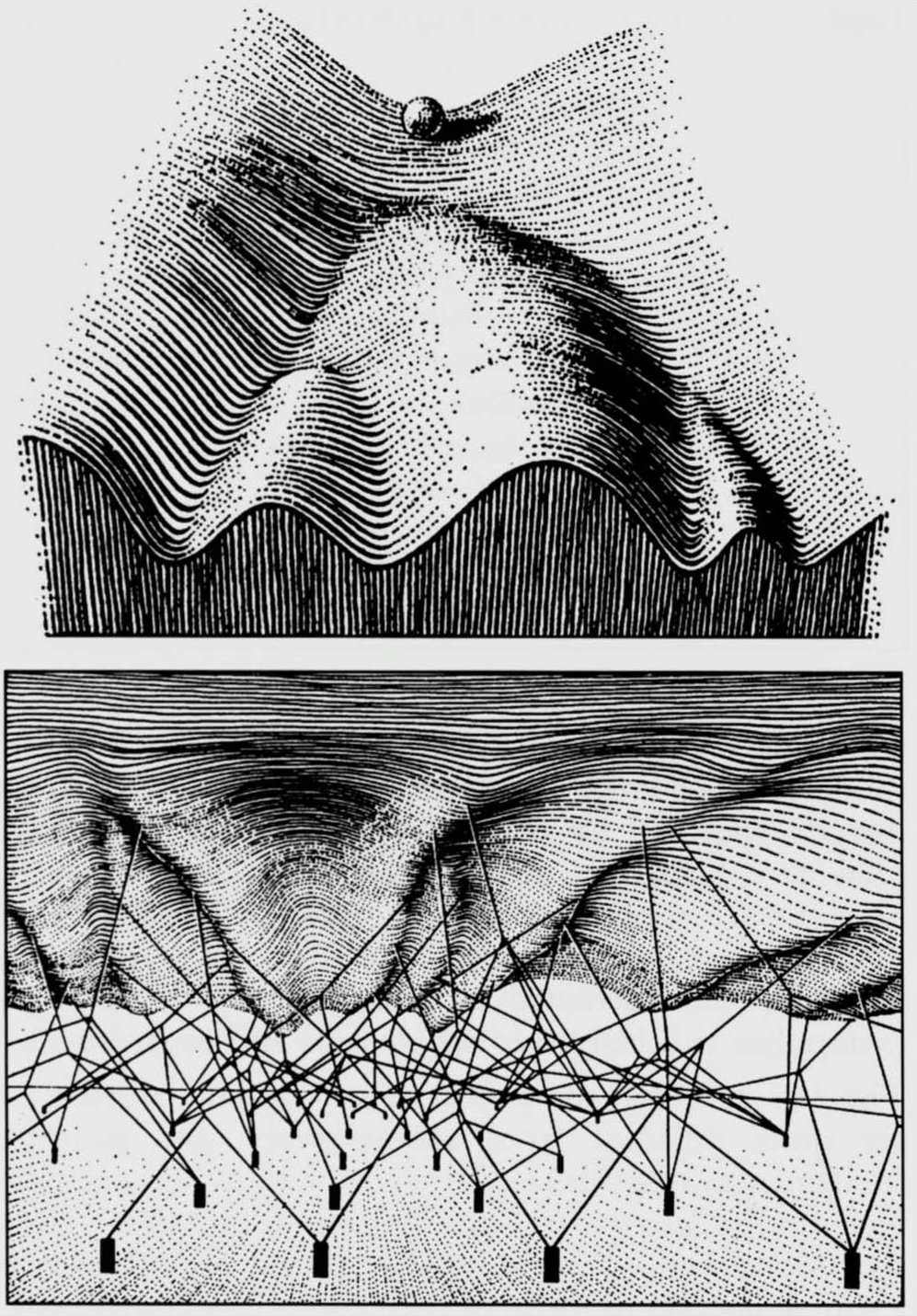
If [evolutionary] optima are small, sharply defined regions in a rugged terrain, then plausible dynamics for the exploration of high dimensional parameter spaces are unlikely to find the optimum; similarly, even small variations in parameters would drive the system far from optimality … Instead, the dependence of functional performance on the underlying parameters is very gentle or ‘soft,’ so that at least some combinations of parameters can vary substantially with very little effect.
Evolution may constrain biological systems because some functional performance measure has been selected (such as kinetic rate of enzymatic reactions or variability of a birdsong). But sloppiness means that this constraint need not determine all microscopic parameters uniquely. And so, a few combinations of parameters that matter for the biological function can be constrained while leaving a large number of other combinations free to vary. Because of this, evolutionary optimization and variability can coexist.
Relatedly, sloppiness has been associated with the remarkable robustness of biological systems to environmental perturbations. Thanks to the vastness of the sloppy parameter space, scores of parameters might not affect the model’s behavior, and this is thought to parallel the function and behavior of the biological system itself. For example, the circadian rhythm in cyanobacteria maintains a 24-hour period over a wide range of temperatures through the phosphorylation dynamics of three interacting proteins, despite the known effect of temperature on the kinetic rates of biochemical reactions. In cases like this, evolution may have to tune only a few stiff parameters to achieve the desired behavior at any temperature within the organism’s reaction norm.
Circadian rhythms are remarkably robust to environmental changes
The Kai clock in cyanobacteria oscillates up and down every 20–21 hours in test tubes.
½× KaiB1.7 µM25 °C≈21.2 h per cyclePhosphorylated KaiCproteins (%)0501000244835 °C≈21.2 h per cyclePhosphorylated KaiCproteins (%)05010002448
1× KaiB3.4 µM25 °C≈20.6 h per cyclePhosphorylated KaiCproteins (%)0501000244835 °C≈20.6 h per cyclePhosphorylated KaiCproteins (%)05010002448
2× KaiB6.8 µM25 °C≈20.4 h per cyclePhosphorylated KaiCproteins (%)0501000244835 °C≈20.0 h per cyclePhosphorylated KaiCproteins (%)05010002448
3× KaiB10.2 µM25 °C≈20.0 h per cyclePhosphorylated KaiCproteins (%)0501000244835 °C≈20.3 h per cyclePhosphorylated KaiCproteins (%)05010002448
Time (hours)
Notes: Values are based on a real experiment performed in test tubes, where phosphorylated KaiC levels were sampled every two hours for 48 hours. Dots show measurements from one replicate per condition, and error bars are not shown. All panels use the same scales; 1× KaiB = 3.4 µM.
Source: Kim et al., Scientific Reports (2026), Figure 2.
Some accounts generalize even further and connect sloppiness with the comprehensibility of the world itself. Why indeed is science such a successful human enterprise? Whence comes “the unreasonable effectiveness of mathematics in natural sciences”? Is there a selection effect at work, in that we choose to study only those subjects where our brains can in fact discern patterns—low-dimensional representations—and describe them through effective theories? Or are there fundamental external reasons, such as laws of cosmology and evolution, that channel observed behaviors into patterns comprehensible to us?
We do not have ultimate answers to these questions. Yet sloppiness may provide a new way to frame and explore them rigorously. The potential of sloppiness for a unification of physics and biology is beyond being a mere curiosity and deserves attention of both epistemic cultures.
Ulkar Aghayeva is a science writer and columnist at Asimov Press. She also writes at the science history blog Measure for Measure and music blog The Bass Line.
Header image by Ella Watkins-Dulaney.
Cite: Aghayeva, U. “On the Role of Theory in Biology.” Asimov Press (2026). DOI: 10.62211/27ry-34qp
- Though Kant himself was skeptical that this is possible in biology in principle: “… there will never be a Newton of the blade of grass, because human science will never be able to explain how a living being can originate from inanimate matter.” But later, the German naturalist Ernst Haeckel celebrated Charles Darwin as precisely such “a Newton of the blade of grass.” ↩
- Named after Aristotle’s book of the same title; it was published posthumously, shortly after Borelli passed away in 1679. ↩
- Peter Medawar in The Art of the Soluble (1967) described it as “beyond comparison the finest work of literature in all the annals of science that have been recorded in the English tongue.” ↩
- Neo-vitalism revived the older philosophical doctrine of vitalism that claimed the existence of a unique life force present in all living things that is not reducible to physical and chemical components. ↩
- The world of the organism’s subjective experience of its environment. From German “environment,” “surroundings.” ↩
- Though the term itself was coined later, in 1962, by the German psychiatrist Friedrich S. Rothschild. Jakob von Uexküll’s work was continued by his son Thure who, together with the Hungarian-American polymath Thomas Sebeok, is considered the founding father of modern biosemiotics. ↩
- Trained as a physicist in his native Russia, he moved to the United States in 1924 to work at the Westinghouse Research Laboratories in Pittsburgh. In 1934, he joined the University of Chicago as a Rockefeller Fellow in Mathematical Biophysics. ↩
- Many prominent researchers in theoretical neuroscience and artificial intelligence later cited him as a major intellectual influence, though, including Marvin Minsky, Anatol Rapoport, Robert Rosen, Herbert A. Simon, and Alvin Weinberg. ↩
- Now published under the name of The Bulletin of Mathematical Biology. A few other journals of theoretical biology founded around that time are also still active: Acta Biotheoretica (founded in 1935 at the University of Leiden) and Journal of Theoretical Biology (est. 1961). JTB went on to publish several groundbreaking theories in evolution and systems biology, but many other field-defining biological theories were published in a smattering of other journals that don’t focus on theory and mostly publish empirical research. ↩
- These equations are related to the logistic growth model first proposed by the Belgian mathematician Pierre Verhulst in as early as 1838. ↩
- For example, that the prey dies from only one cause (by being eaten by the predator), and that the predator only eats one species of prey. ↩
- Lotka came up with his model of the predator-prey interactions by analogy with the dynamics of chemical reactions, whereas Volterra used the kinetic gas model from statistical mechanics and drew analogy with the collision of gas molecules in a closed container (for example, the probability of an encounter of the two species is proportional to the product of their population sizes, the way the number of collisions between particles of different gases is proportional to the product of their densities). ↩
- Fisher, in a series of papers starting in 1918 and summarized in his 1930 book The Genetical Theory of Natural Selection, showed that the continuous variation measured by biometricians in human populations could be a result of the combined action of many discrete genes. Natural selection could change allele frequencies of these genes in a population, resulting in evolution. ↩
- Published in 1929, independently from the Soviet biologist Alexander Oparin who proposed a similar hypothesis in 1924 in his article The Origin of Life. ↩
- Cannon elaborated on it in a 1929 article titled Organization for Physiological Homeostasis. Though the idea of homeostasis as the regulation of milieu interieur (“internal milieu”) originates with Claude Bernard who wrote in 1850: “The stability of the milieu interieur is the primary condition for freedom and independence of existence; the mechanism which allows of this is that which ensures in the milieu interieur the maintenance of all the conditions necessary to the life of the elements” (In Phenomena of Life Common to Animals and to Plants). ↩
- The word cybernetics was coined by Norbert Wiener in the 1940s, based on the Greek κυβερνήτης (kubernetes) meaning “the person who steers a ship, captain, or pilot.” (Cybernetics is also etymologically related to “government” and “governor.”) In steering a ship, the steersman keeps a steady course in the face of sea’s turbulence, by adjusting his steering in response to the effect of his actions. The term first appeared in print in Wiener’s 1948 book, Cybernetics, or Control and Communication in the Animal and the Machine. ↩
- Every Good Regulator of a System Must Be a Model of That System (1970) authored by W. Ross Ashby and Roger C. Conant. The main thesis of the paper is that, as helpfully stated in its title, under particular formal assumptions, a successful regulator must embody a model of the system it regulates. ↩
- Complexity science as a research program grew out of many fields besides cybernetics, including statistical physics, nonlinear dynamics and chaos theory, cellular automata, and evolutionary theory. ↩
- As a part of conference proceedings of the Third Systems Symposium at the Case Institute of Technology, Systems Theory and Biology. ↩
- In this line of research, American molecular biologist and biochemist Michael Savageau single-handedly developed Biochemical Systems Analysis, a mathematical description of the nonlinear dynamics of enzymatic reactions. In the 1970s, biochemists Henrik Kacser and Jim Burns worked out Metabolic Control Analysis, taking a systems approach to metabolic pathways and in doing so challenging the earlier assumption that such pathways are governed by a single rate-limiting reaction. And first mathematical models of gene regulation attempted to represent cell differentiation in terms of interacting genes and their regulatory elements, which also was a conceptual innovation at the time. Notably, these were all purely theoretical works! ↩
- It ceased to exist after Rashevsky’s resignation in 1965 but more recently, in 2023, a new institute was established as a partnership between Northwestern University and the University of Chicago that symbolically continues Rashevsky’s project: NSF-Simons National Institute for Theory and Mathematics in Biology (NITMB). ↩
- With members including the biochemist and embryologist Joseph Needham, physiologist Dorothy Needham, mathematician Dorothy Wrinch, philosopher of science Joseph Woodger (whose work in part inspired Peter Mitchell’s chemiosmotic theory), crystallographer John Desmond Bernal and solid-state physicist Neville Mott. ↩
- Rockefeller Foundation may have required the Theoretical Biology Club to secure additional funds from Cambridge itself, which they were unable to do. ↩
- Term borrowed from Epistemic Cultures: How the Sciences Make Knowledge by Karin Knorr Cetina, whose comparative study primarily concerns high-energy physics and molecular biology communities. ↩
- Even though a number of physicists by training have historically made major theoretical contributions to biology, from Lord Rayleigh and Hermann von Helmholtz to Max Delbrück and George Gamow, all the way to contemporary biology. ↩
- In its original formulation by John Beatty in his 1995 paper: “All distinctively biological generalizations describe evolutionarily … “highly” contingent states of nature. This means that there are no laws of biology. For, whatever “laws” are, they are supposed to be more than just contingently true.” For a rebuttal, see There may be strict empirical laws in biology, after all (Mehmet Elgin, 2006). ↩
- To sharpen the point, elsewhere he notes: “.. .generations of theoretical physicists have developed a distaste for highly parameterized models, and by and large this bias has served the community well. If we need 50+ parameters to describe one genetic network in one organism, and there are no principles that cut through the arbitrariness of these parameters, then we will be led to a different model for each of the many different genetic networks relevant in the life of complex organisms. The same concern applies to other classes of processes. The resulting collection of independent models for each of many different but related phenomena is almost the opposite of the physicist’s search for unification.” ↩
- In response to the skyrocketing success of deep networks and large language models, this view is experiencing something of a revival. And perhaps a functional theory of deep networks and the work on the mechanistic interpretability of silicon life could provide some insights into the physics of carbon life. ↩
- This is a current direction of research pursued by Bialek himself. There are of course the usual objections that evolution need not achieve global optima and that what we observe are “good enough” solutions that ensure survival and reproduction. Still, optimization principles are worth exploring insofar as they make detailed, possibly parameter-free predictions about biological systems. ↩
- Though it is difficult to point to a clear boundary between these categories of parameters, and it may be model-dependent. ↩
- But the fact that a model is sloppy does not necessarily mean that its parameters cannot in principle be estimated. ↩
- Systems biology as a field has mostly focused on the development of detailed microscopic models rather than simpler theories. As noted in “Sloppiness and emergent theories in physics, biology, and beyond” (2015): “For most scenarios of practical importance, a reduced representation alone has limited utility since attempts to engineer or control the system typically operate on the microscopic level. For example, mutations operate on individual genes and drugs target specific proteins.” ↩
- To make things more complicated, it appears that sloppiness in biological models depends partly on the experimental design: the way the system is perturbed and which parameters are measured during the experiment. For example, in a biochemical network, changing sampling times can substantially change model sloppiness, and whether a parameter such as the rate constant of a biochemical reaction is sloppy or stiff can itself depend on experimental conditions. ↩


Leave a comment