

These rusted pillars standing stubbornly in the Arabian Sea are not merely the remains of the once-famous Alappuzha pier.
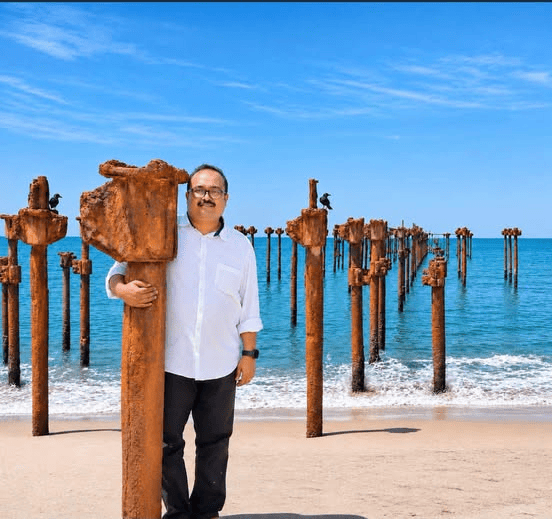
They are the last witnesses to a glorious chapter in Kerala’s maritime history, when Alleppey was a bustling port through which the world discovered the wealth of Travancore.
Built during the port’s transformation under Diwan Raja Kesavadas in the late 18th century, Alappuzha became a gateway for coir, coconut products, pepper, spices, timber and other treasures from the hinterland, carried through its intricate network of canals to ships waiting offshore.
The iron screw pier, constructed in 1880-81, once stretched deep into the sea, connecting the labouring hands of ordinary people with distant markets across the world.
Ships came, cargo moved, livelihoods flourished, and the town grew around the rhythms of the port. But the rise of Cochin Port, changing shipping technologies and the decline of coastal trade gradually silenced this once-vibrant waterfront, and port operations eventually ceased in 1989.
Today, battered by monsoon waves and salt-laden winds, these skeletal pillars stand like the bones of a forgotten civilisation, beautiful in their decay and heartbreaking in their silence.
They remind us that development is not merely about building new ports, roads and cities, but also about preserving the memories of those who built our past with their sweat and toil. Alappuzha’s pier may have lost its ships, but it must not lose its history.
These rusted remains deserve more than a passing glance from tourists taking photographs; they deserve thoughtful conservation as a living monument to the maritime heritage, labour and collective memory of Kerala.


Leave a Reply